


How They FAKED Historic Photos: EVERYTHING WE ARE BEING SHOWN IS A LIE: The History Hoax
I swear, there isn't a day that goes by that I don't discover something else is a lie, but this lie is a massive lie... a history changing lie...

My friend and reader,
, sent me a link to watch Hibbeler’s newest documentary, Old World Order. I thought it was outstanding but one part in specific really peaked my interest, Victorian Era Photo Manipulation:(3 minute 50 second video)
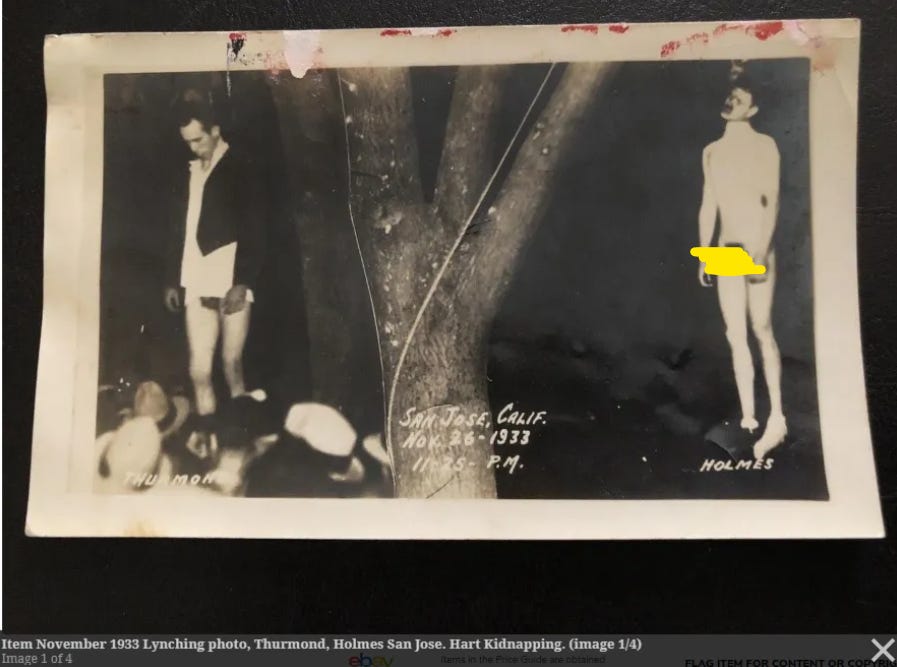
The reason that specific part stood out to me is because a while back I was looking at old newspapers (1800s-1920s) to see what the headlines were. Interestingly, they were basically the same as today. Racism was heavily pushed and it seemed like endless newspapers showed horrendous lynching photos. But what stood out to me was the strange aspects of many of those photos. They just didn’t look right. (Let me be crystal clear, lynching did happen but as you will come to see proof of today, something happening does not mean the visuals the media is showing us are 100% real). Sometimes the perspective seemed off, heads appeared disproportionately small compared to necks and bodies or the shadows didn’t make sense, specifically, the ruthlessly executed were missing shadows while other objects in the photos had shadows. Then there were photographs in which the tree branch did not appear to support the weight of a person. In some of the images the rope did not appear to connect to a branch. Look at this photo for a minute, none of it makes sense, in my opinion: (for decency purposes I edited out the crotch. You can see the full, unedited image here)
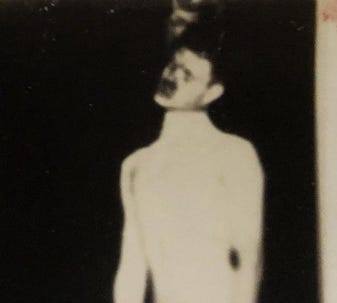
This is not a natural photo. To me it looks like a photo of a head was cut and pasted onto a body that it did not belong on:
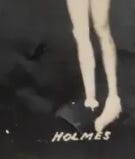
Look at the legs and feet. See what I mean when I say it seems off?
These look like two different backgrounds:
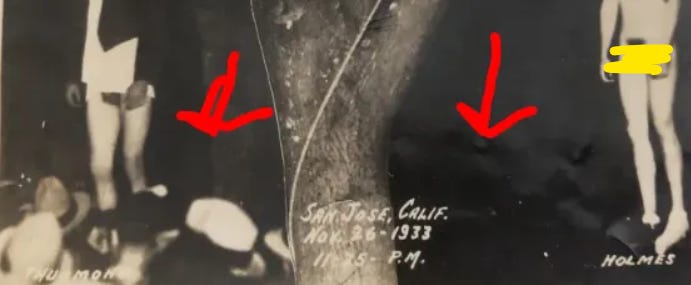
Contrast adjusted:
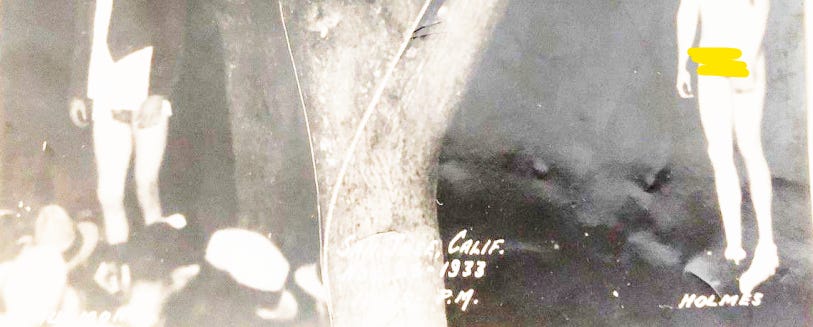
This tree is very bizarre:
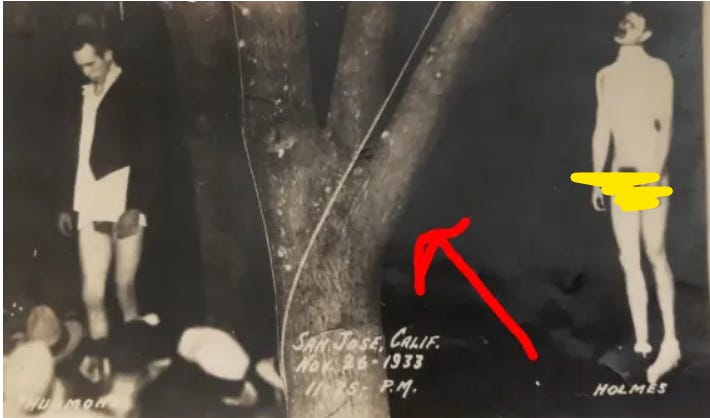
What even is this white line? The cord of the noose? To me it looks like a razor line from where someone cut out a photo of the tree then inserted it:
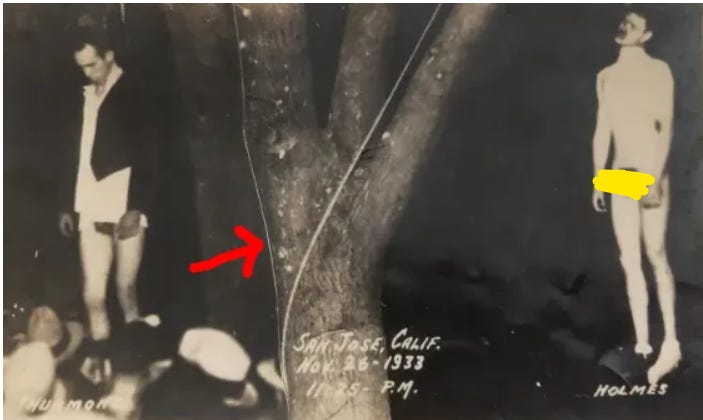
Fast forward to current-day, the trees these men were hung from have long sense been removed, so you can’t even look at where the hanging occurred. It would seem that building in historic photos being demolished and artifacts being stolen or destroyed (and therefore are unavailable to view) is a common theme.
In some cases, people who had died by hanging and were photographed dead yet still hanging, but their feet are sticking straight forward, like they were standing on a stool that was removed from the photo.
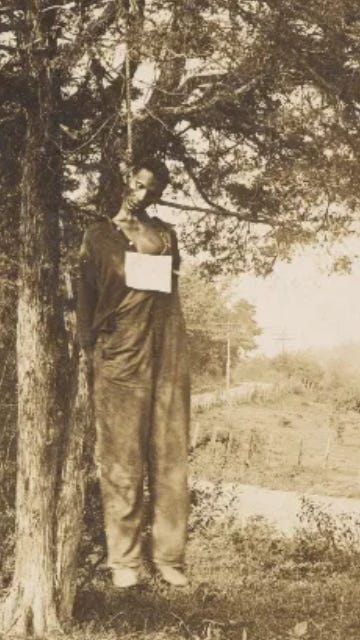
Maybe rigor mortis can work like that, I don’t know. I also didn’t know if it was possible to edit photos in the 1800s. Regardless, I did feel guilty for even thinking these things because lynching is an awful subject. And for people who have never read my content before, questioning photos is something I have done with every tragedy I have written about because I am here for Truth, whatever that may be. To put it simply, I do not trust what we are being shown and race has nothing to do with it. I want us all to unite because we need each other for what is coming. The biggest part of uniting is realizing we all have been lied to.
After seeing Old World Order, I immediately began looking deeper and what I discovered will forever change how I view all evidence of history.
Before we get into this, let me state that there are two sides of this photo debate. The first side feels the photographs were retouched which they feel is not a dishonest tactic. They believe making the photographs as nice as possible is part of journalism and therefore the media has done nothing wrong. Then there’s my side of the debate. I feel like if you are adding sh*t to a photograph that wasn’t there, or removing sh*t that was there, then not being 100% transparent with your readers, that is a deceptive trick, it is fraud. I also feel that if one photo was faked they all must be questioned because fraud vitiates everything. With that being said, let’s start by looking at some photos:
US BATTLESHIP 1940
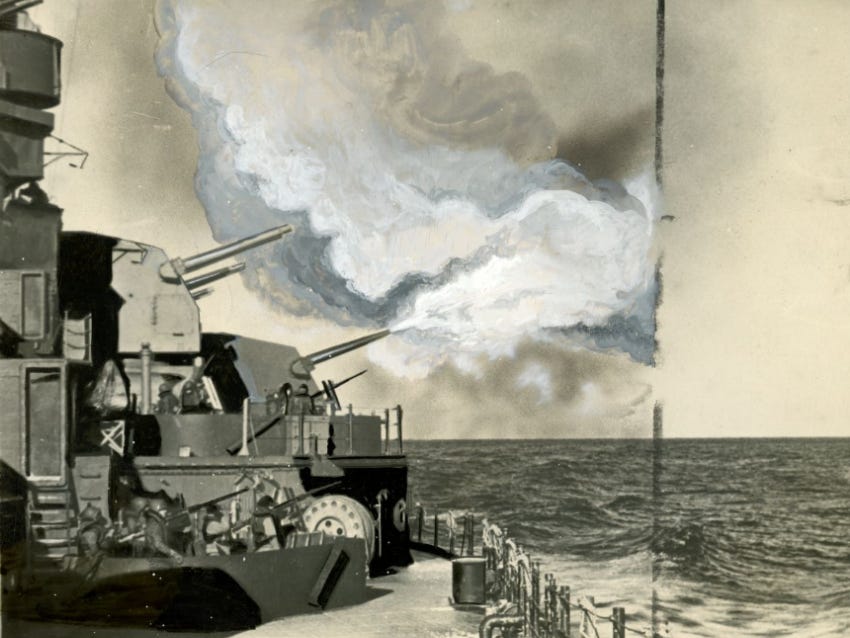
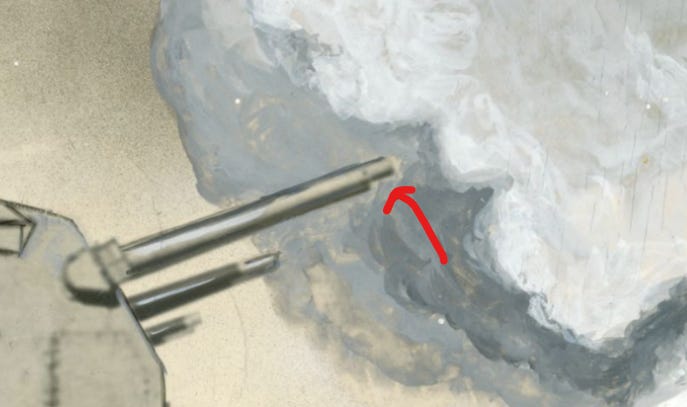
Upon closer inspection we can see the smoke was painted on. In fact, I don’t even think this is all a photograph. I think it is art combined with photography:
And, at a minimum, heavy retouching was performed on the men on the ship:
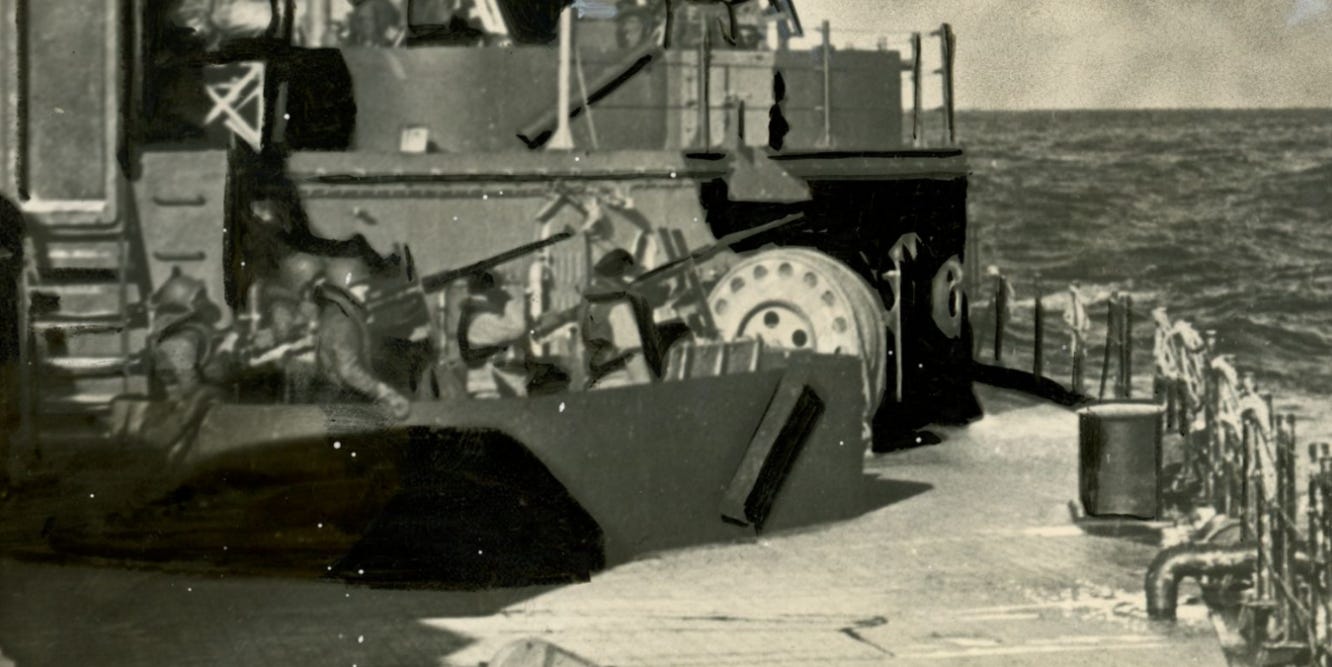
I have always dabbled in art. My preferred mediums are colored pencil and markers. Call me crazy, but this looks like a drawing. That curved pipe is overly curvy and has no joints.:
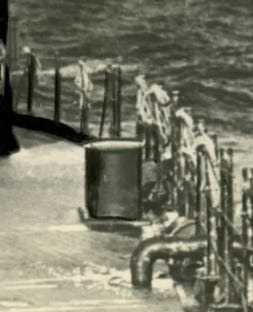
Was the ship real and actually in the water fighting a war? Or was it a photo taken in a studio then combined with art to create the 1940s war propaganda? No clue.
CAROUSEL AT WILLOW GROVE
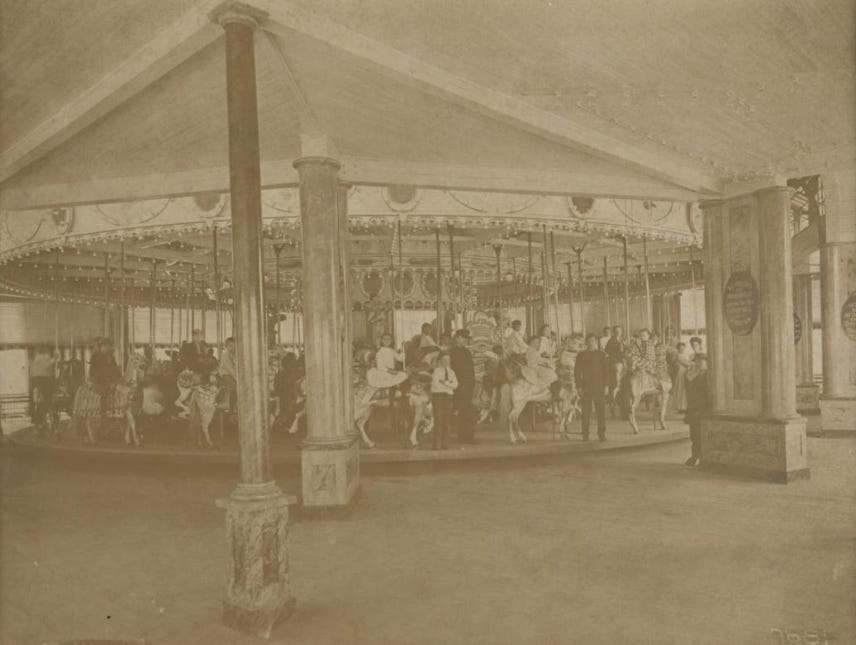
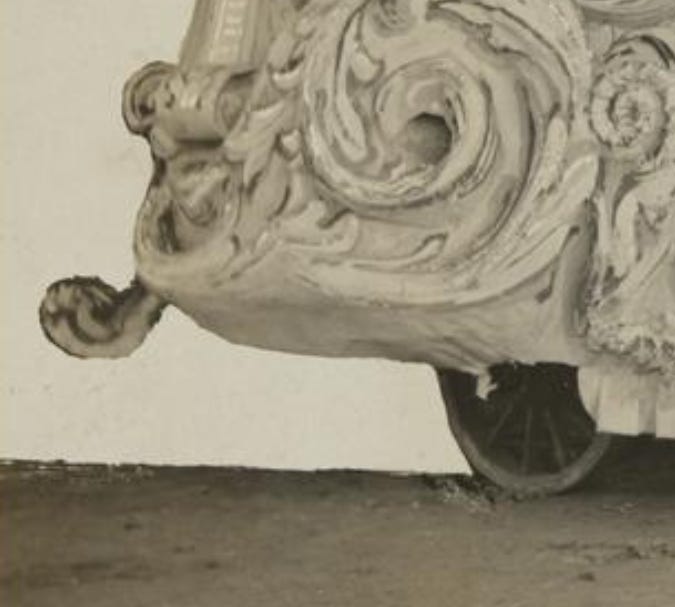
But upon closer inspection, it is art:
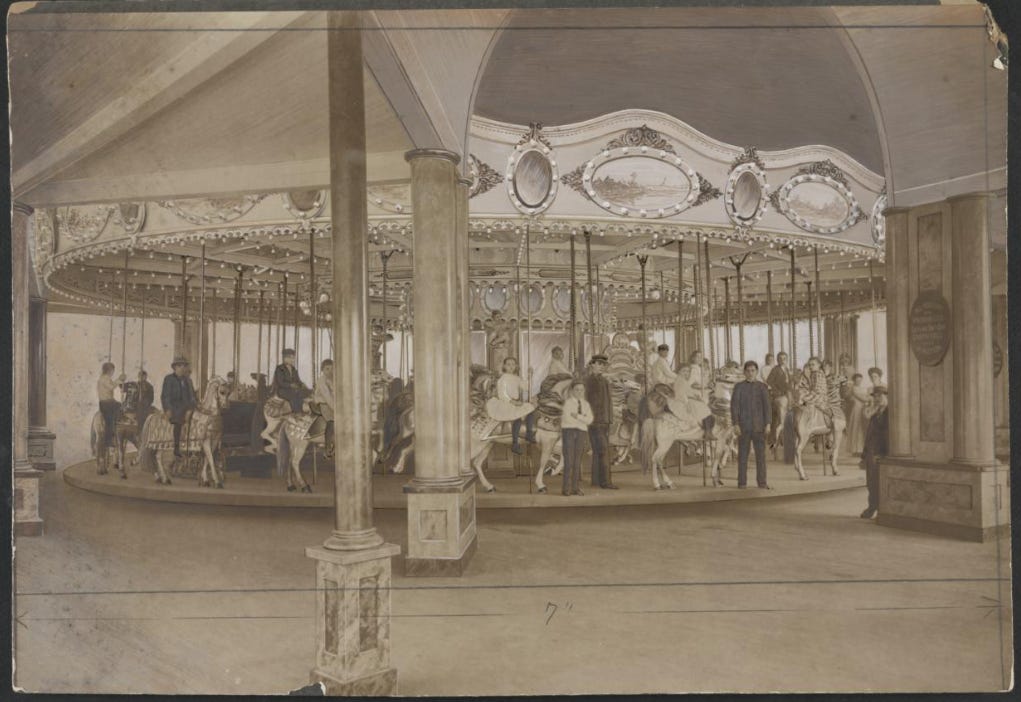
Although many will argue that this is a real photograph that has simply been outlined to make it more beautiful. I guess you have to decide for yourself what you are seeing:
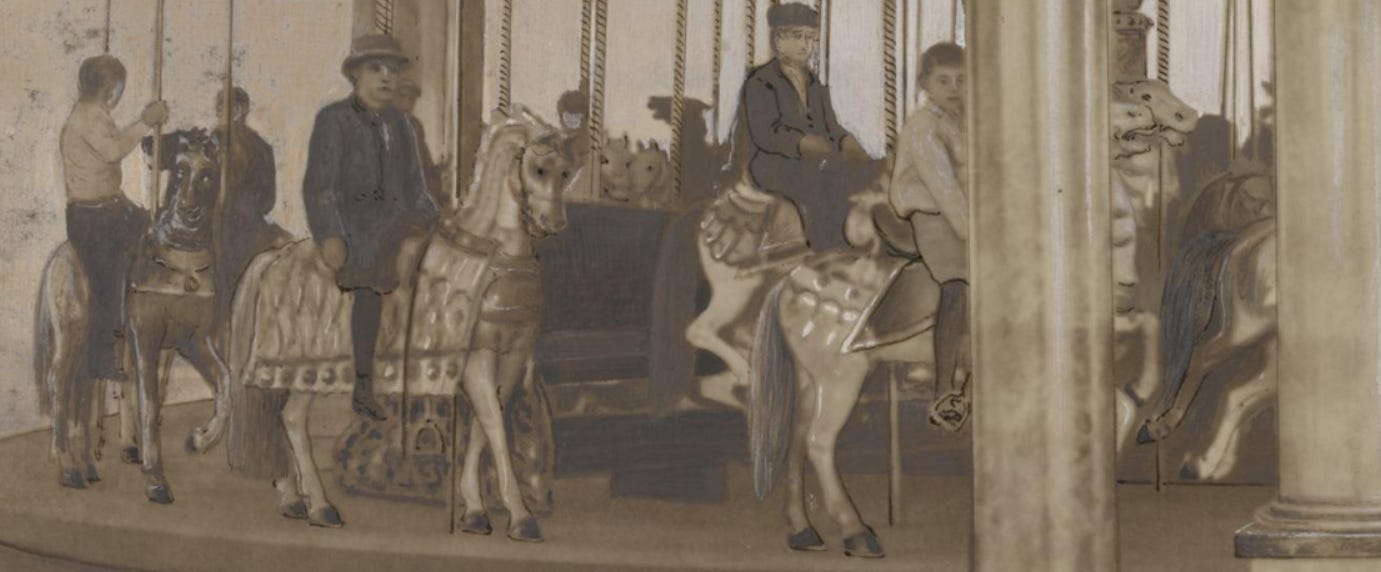
My mothers side of my family is mostly professional-level artists and fabricators and this is exactly the quality of detail they produced:
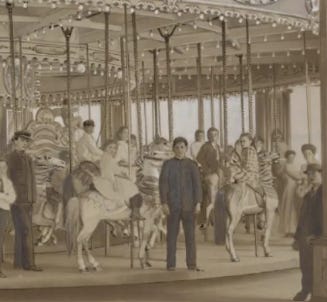
Is this wood or colored pencil?
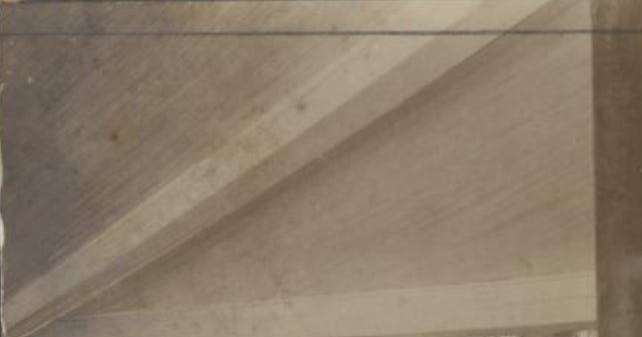
For those of you who want to say they're just outlining, explain this to me: This…
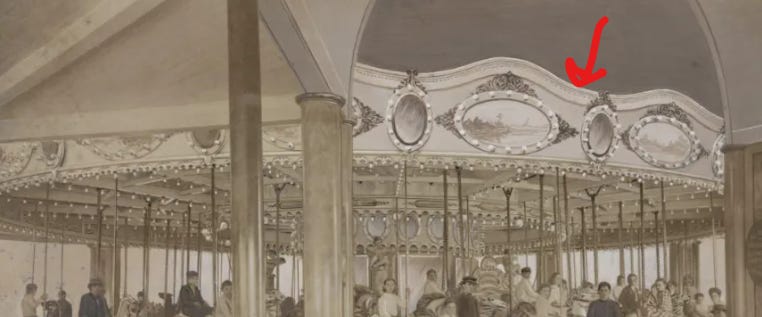
doesn’t even exist in this…
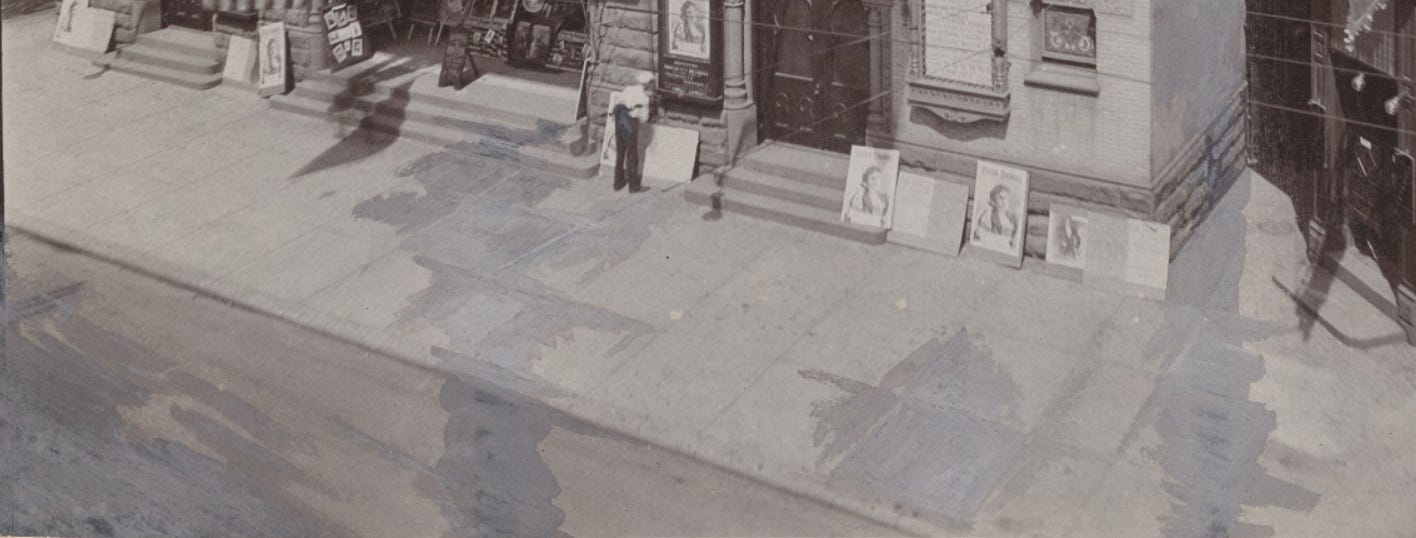
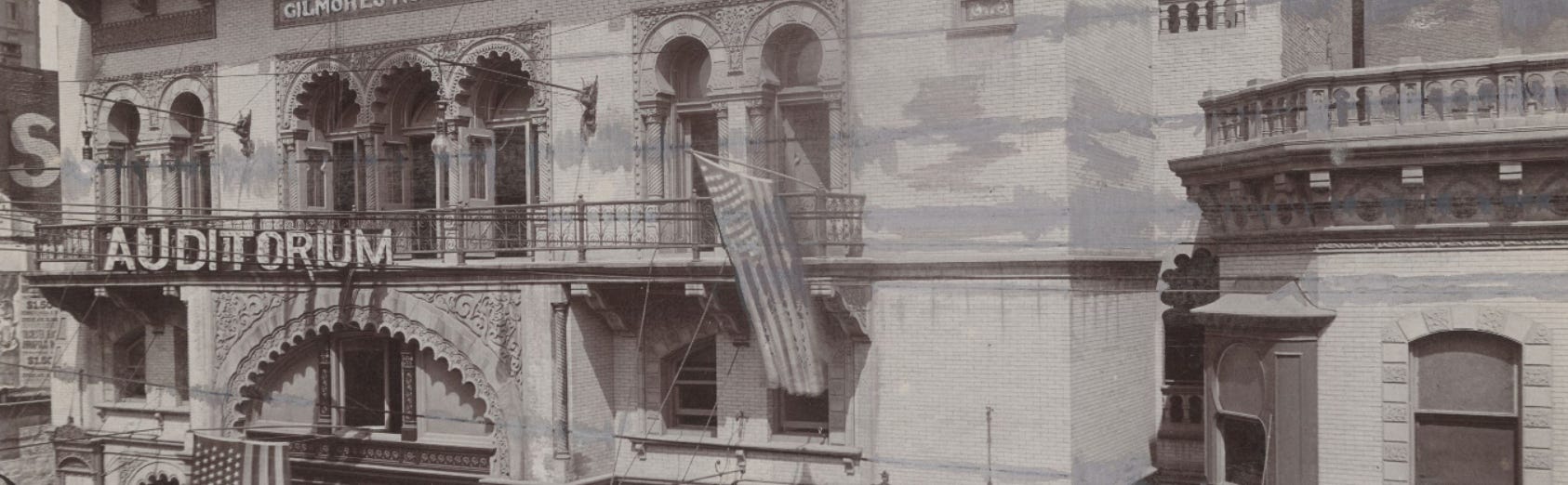
Gilmore's Auditorium: (allegedly demolished in 1935)
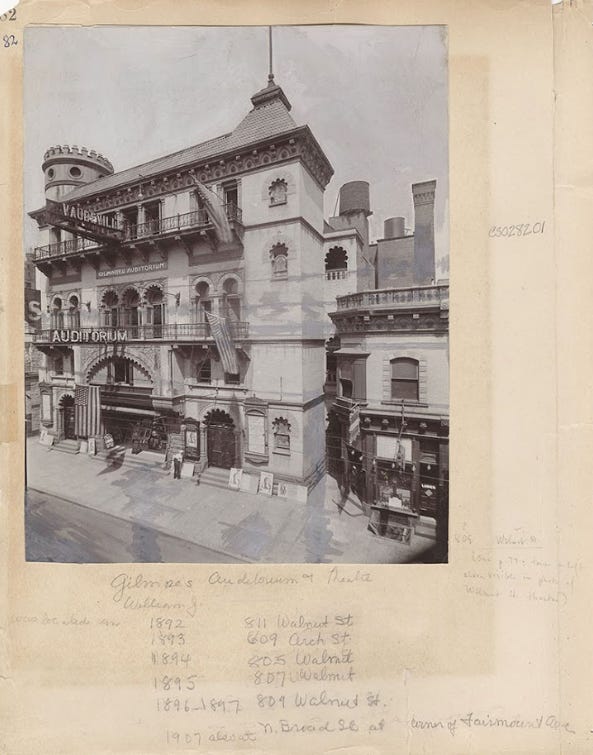
Here we see the street has been painted:
The building has been painted, and even the American Flag has been edited:
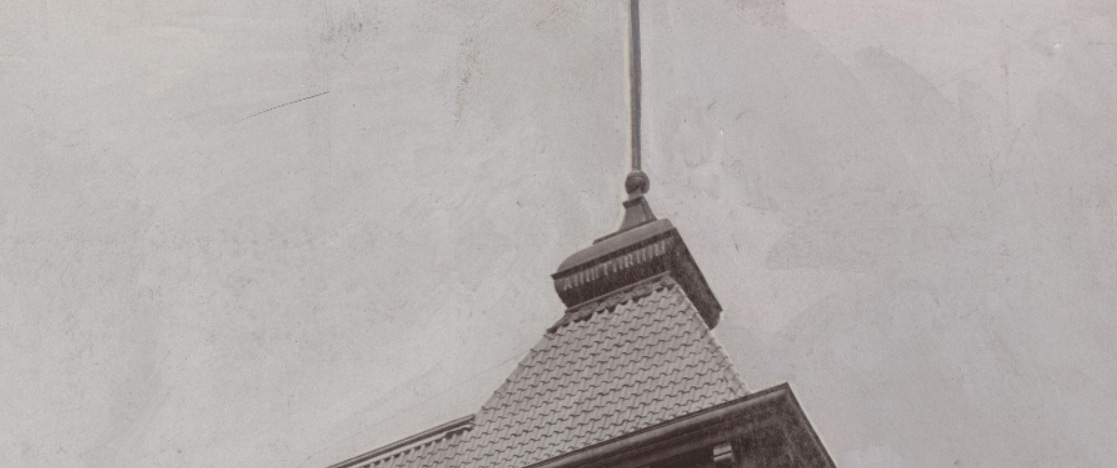
The sky has also been removed. This is called “Vanilla Sky”. It is a process we all need to watch for when we see historic photos. If the sky is a solid color, it was likely “Vanilla Skied”:
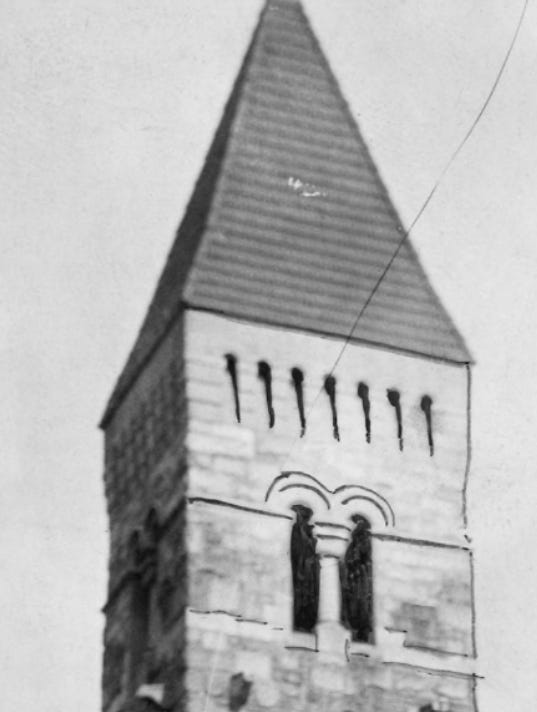
FIRST CONGREGATIONAL CHURCH 1920s: I can only seem to locate one photo of it. I assume it was demolished?
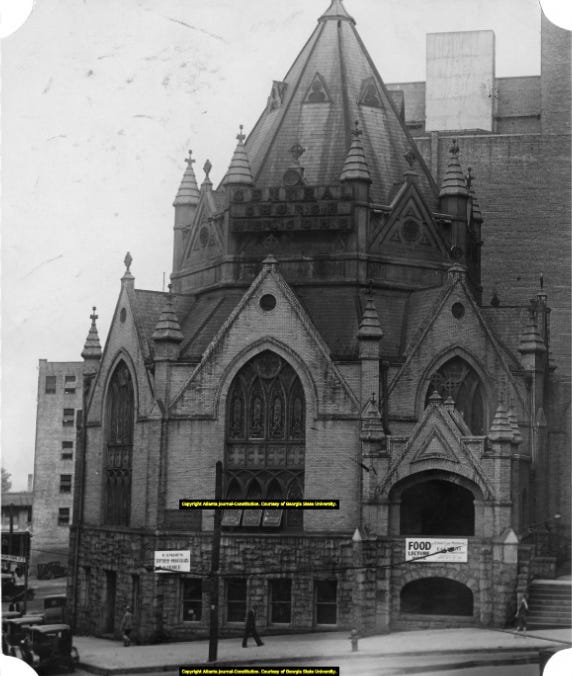
Which also looks like art:
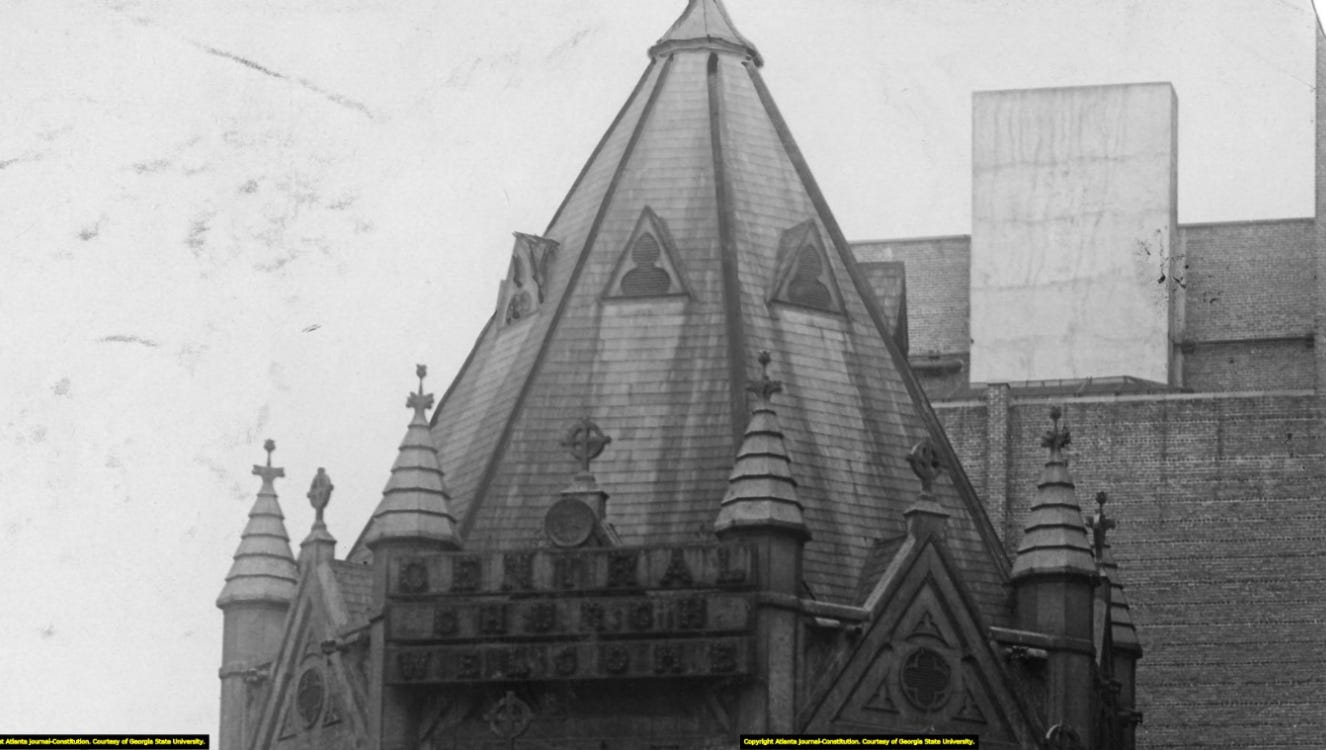
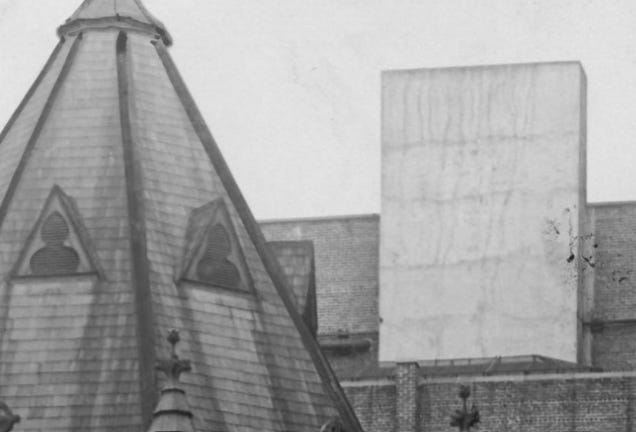
CLEAR USE OF PHOTO MANIPULATION:
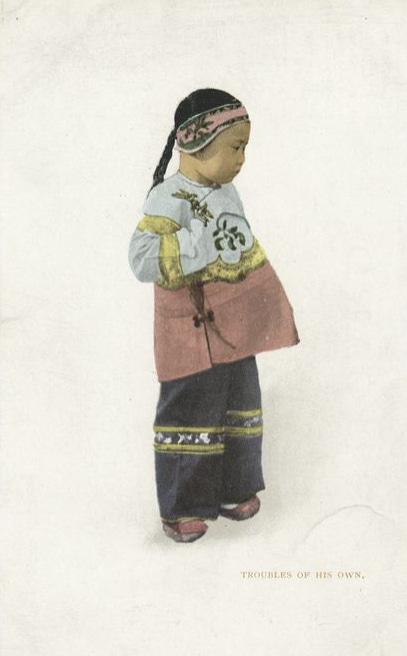
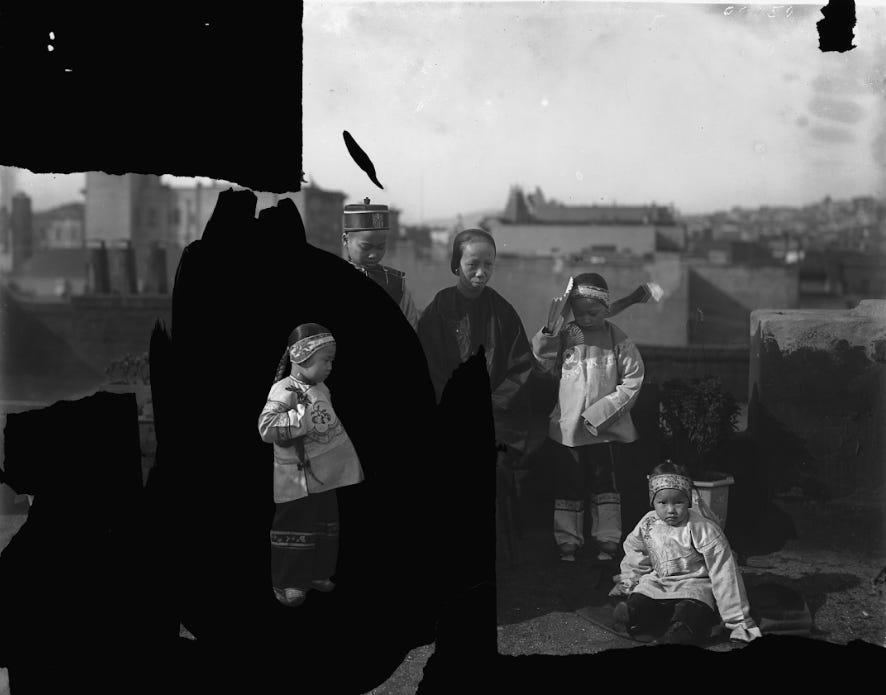
1904 EMPIRE THEATER, DETROIT
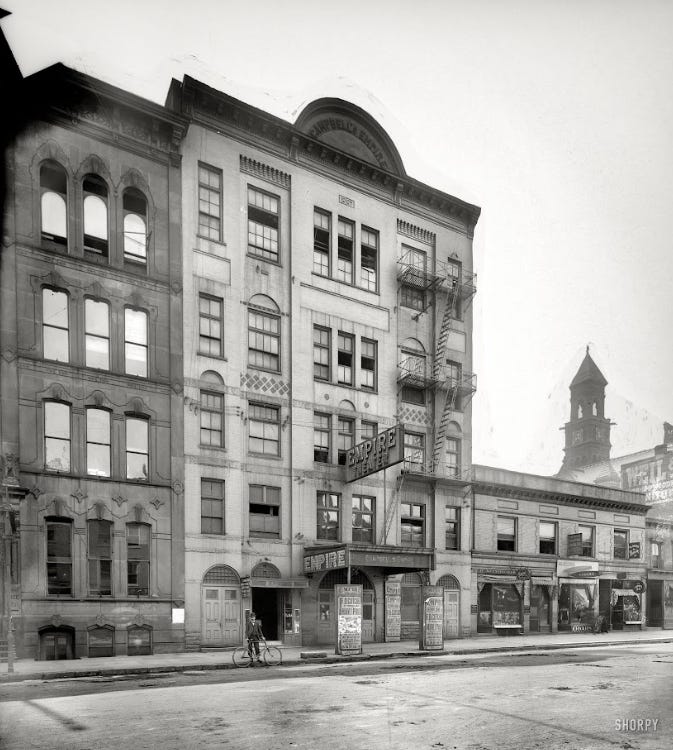
It is so edited that it is impossible to tell which parts are authentic:
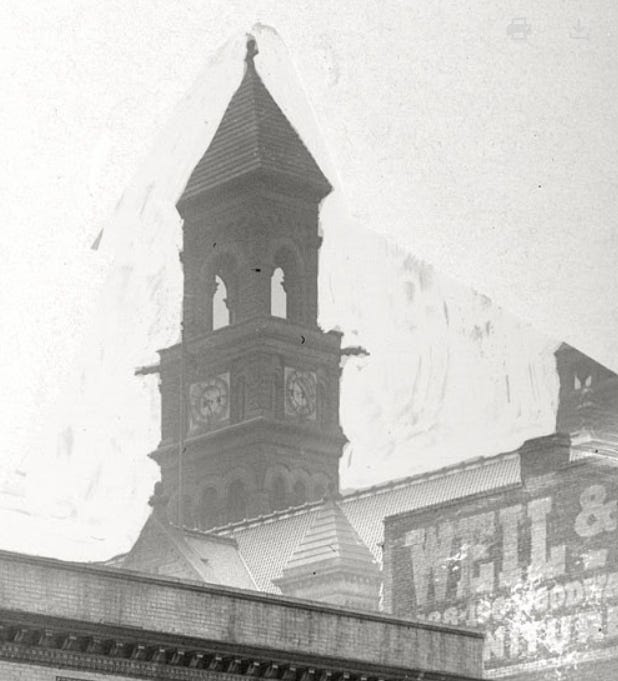
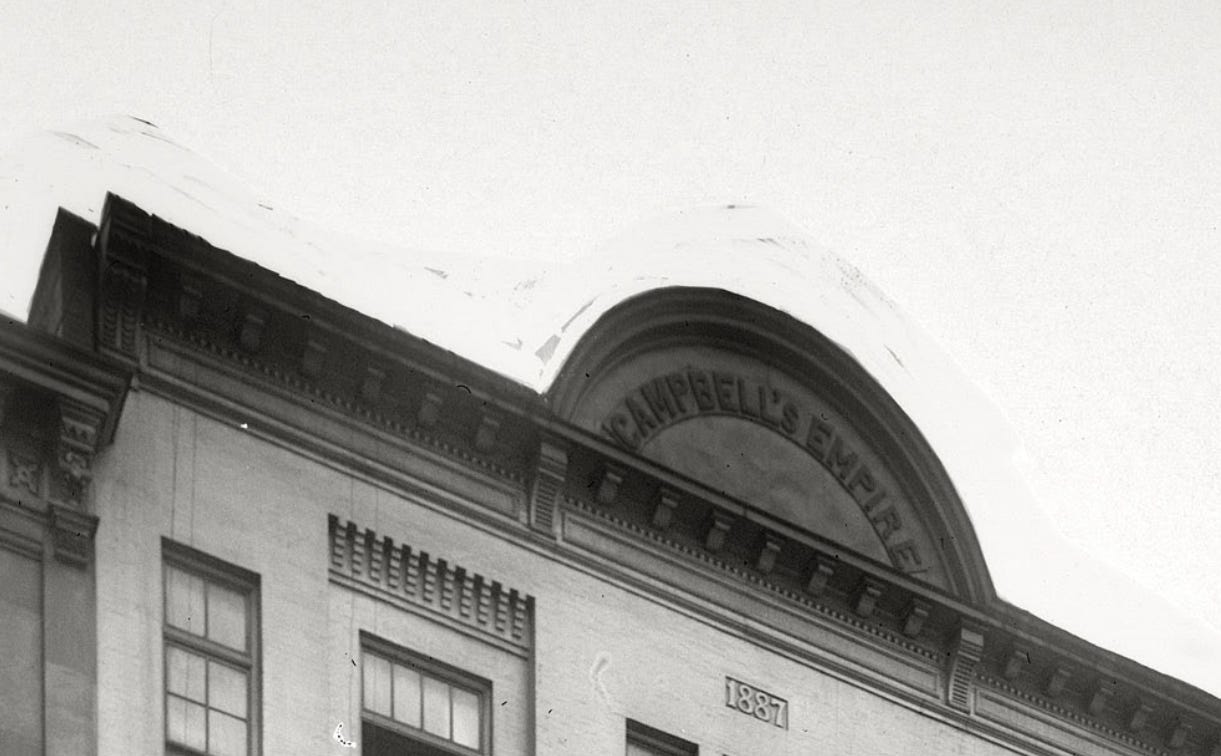
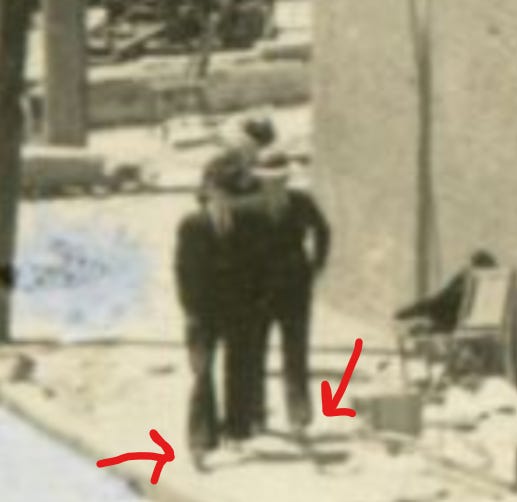
1936 GAINSVILLE, GA TORNADO
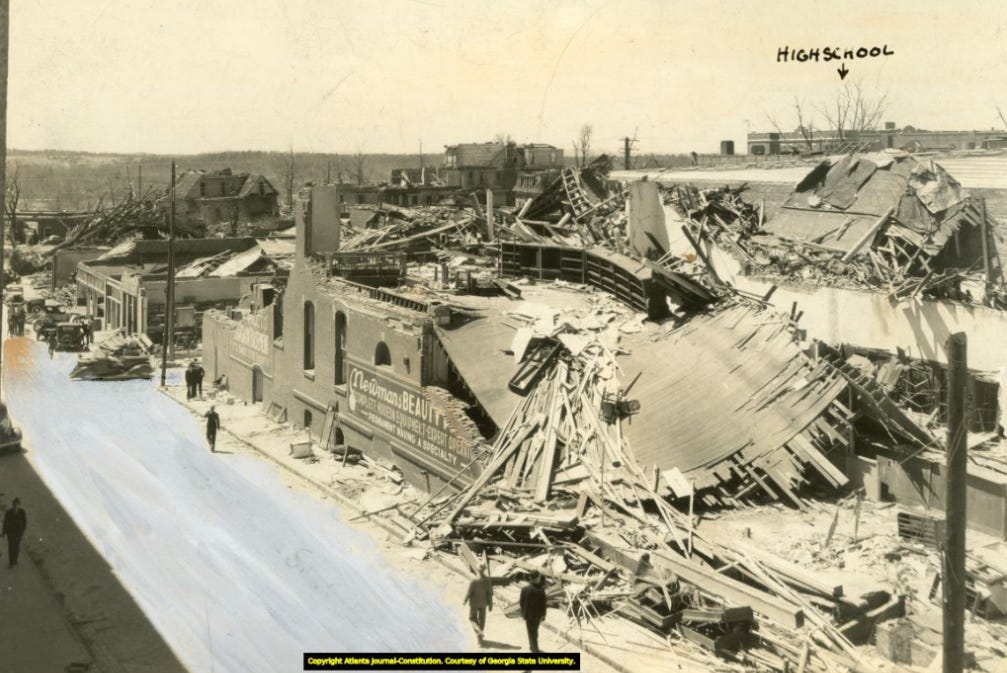
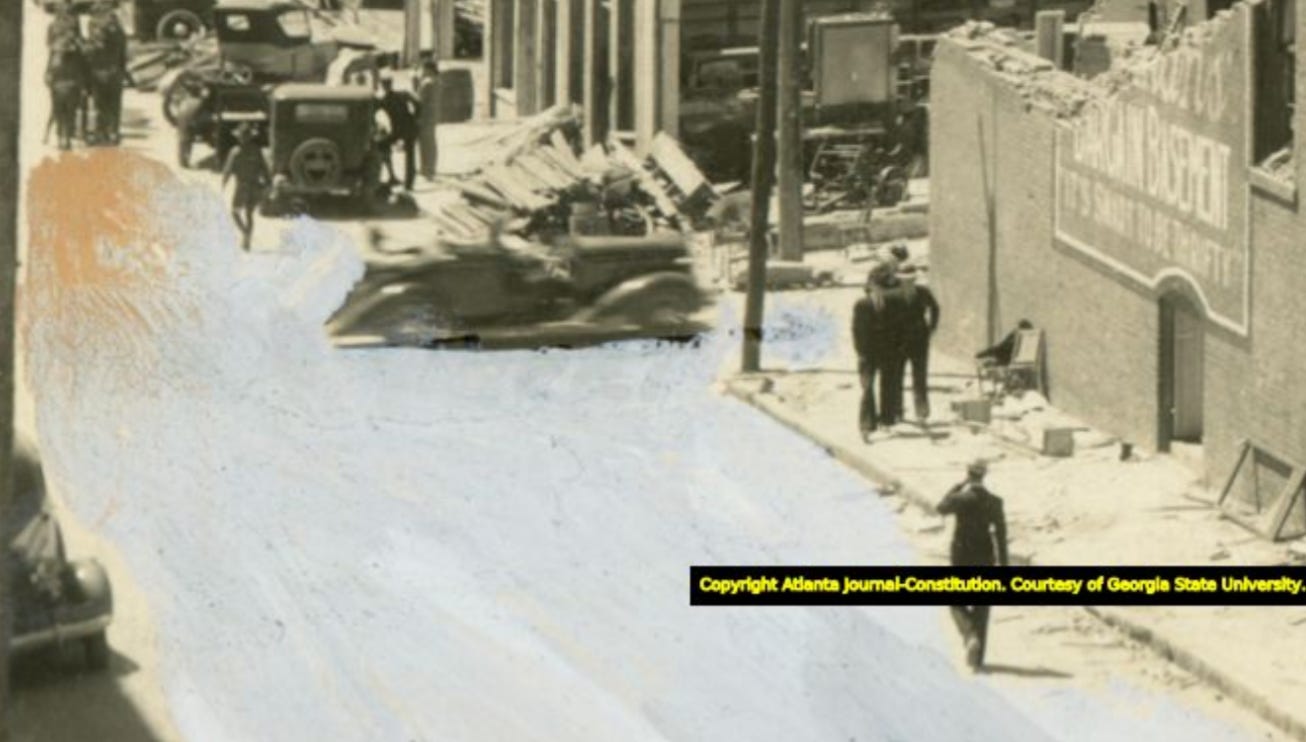
What’s going on here? Why do these men have Oliver Pistorius feet?
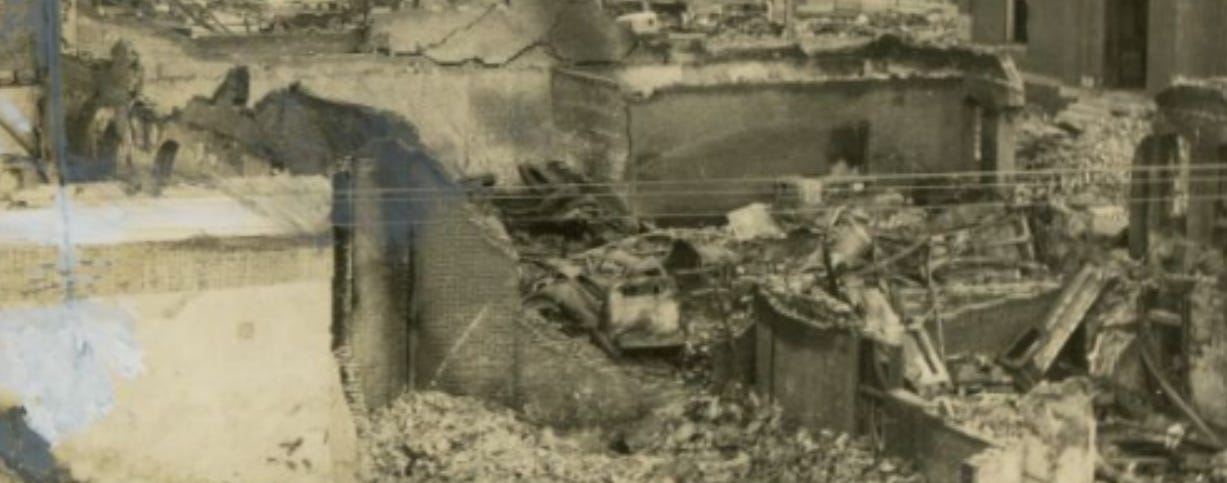
ALSO FROM THE SAME TORNADO
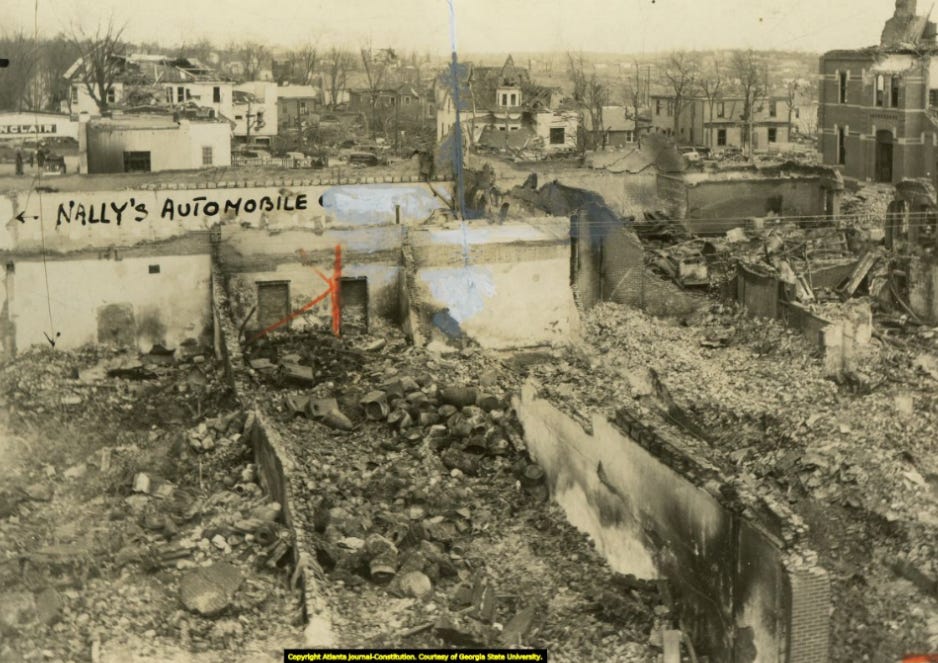
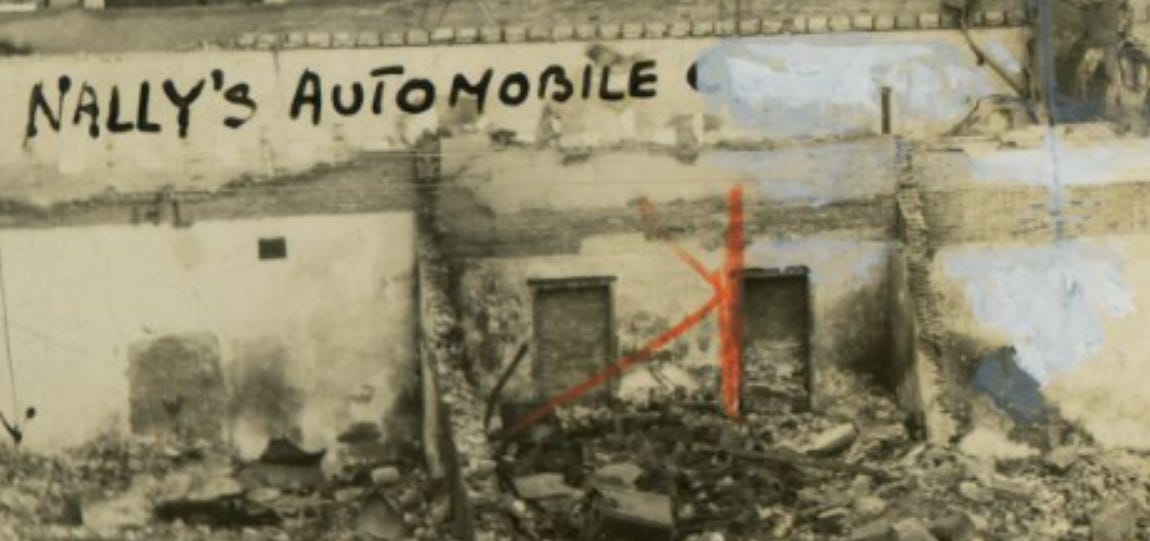
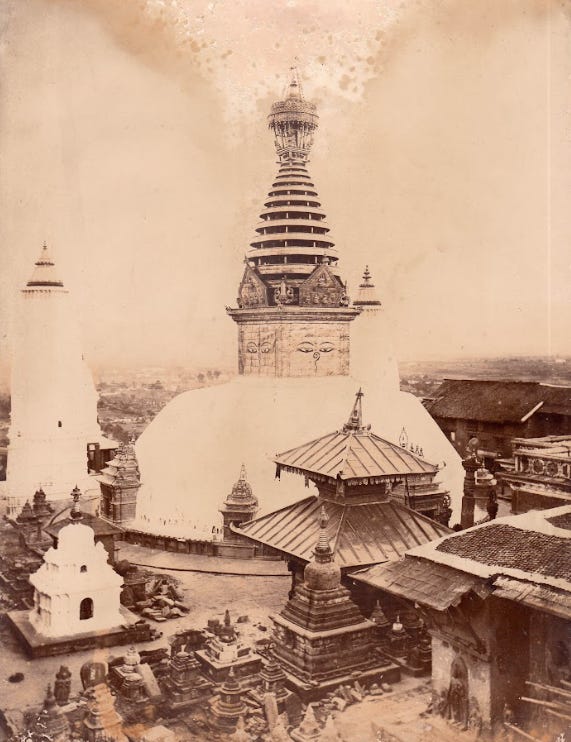
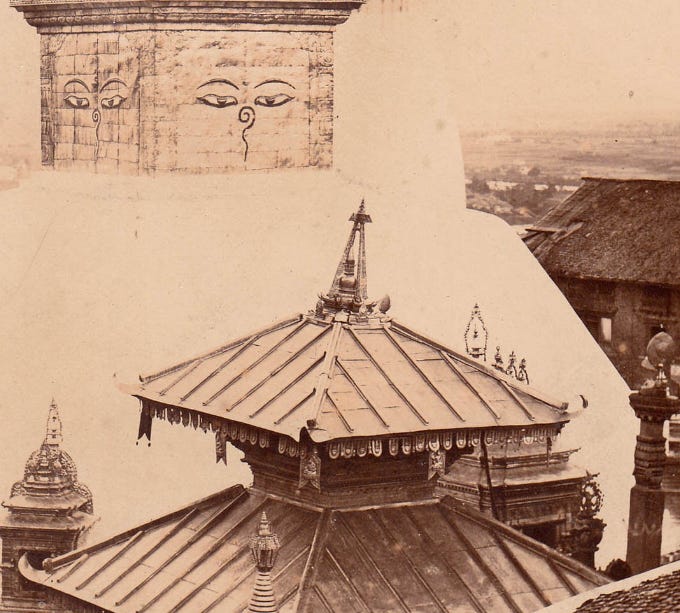
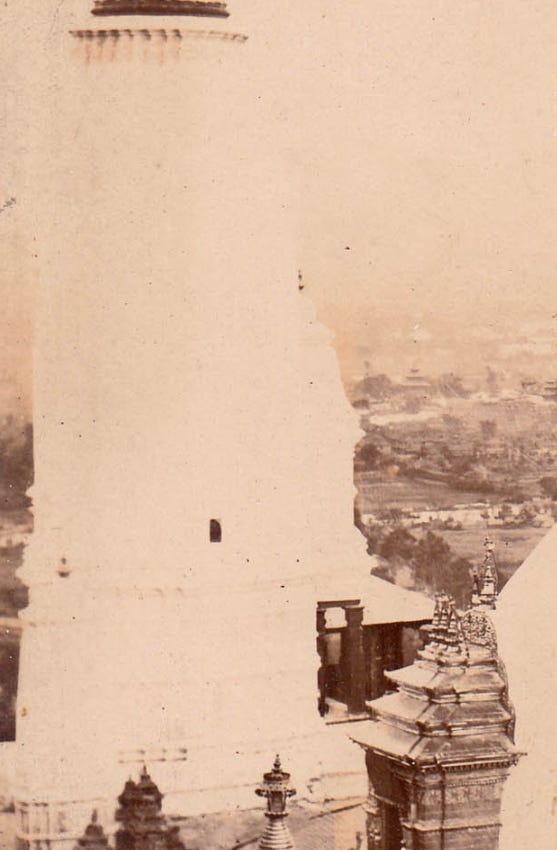
SWAYAMBHU 1920s
USS MacDONOUGH
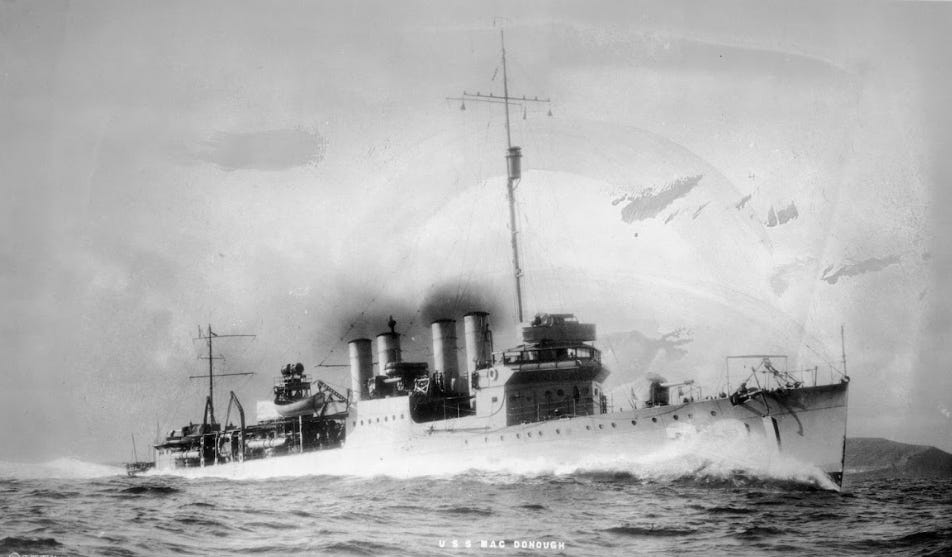
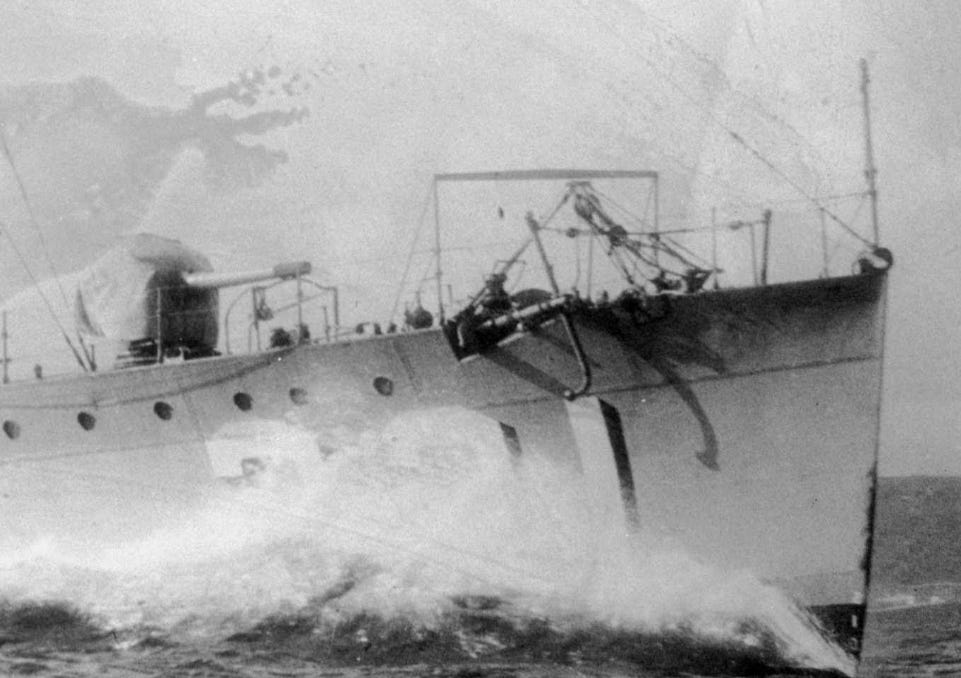
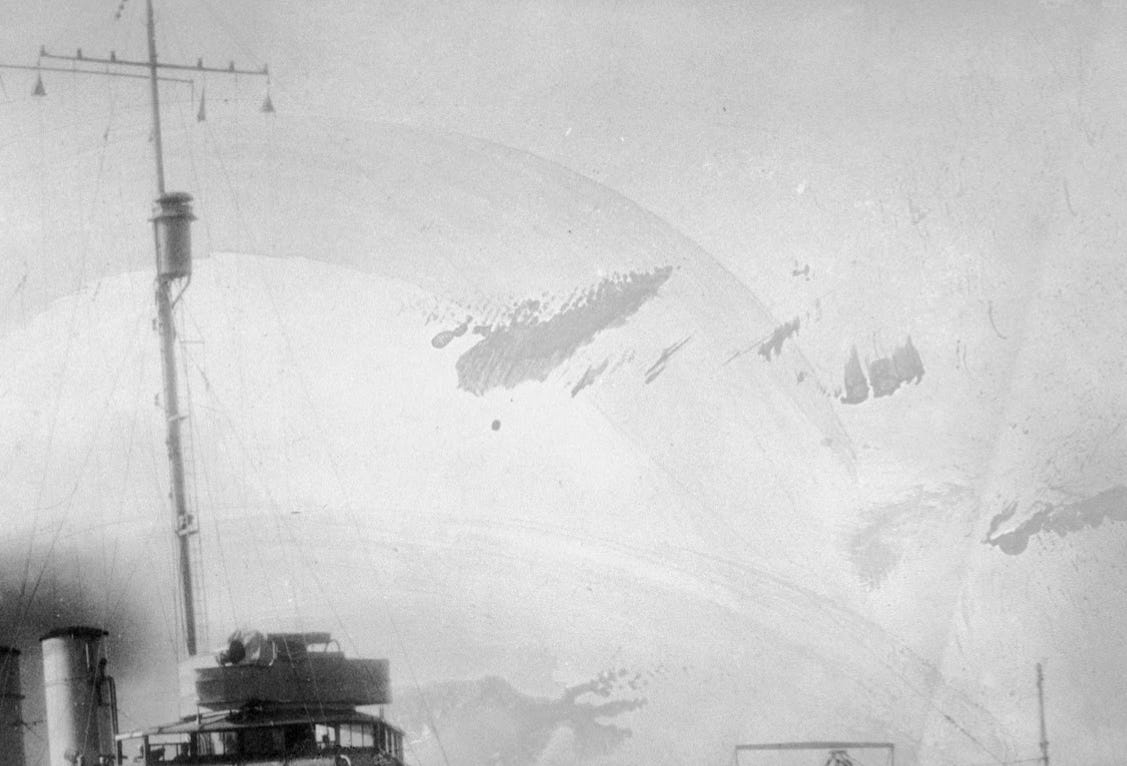
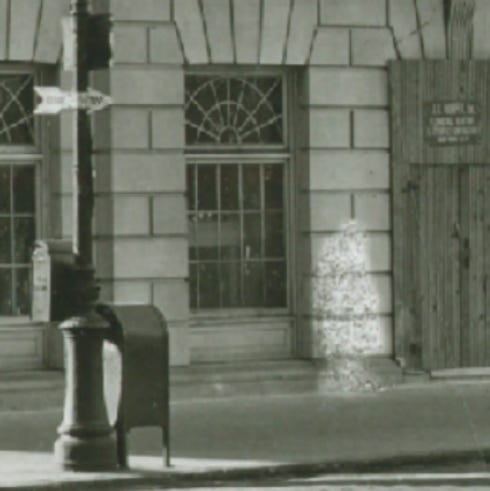
UNION SQUARE, NEW YORK
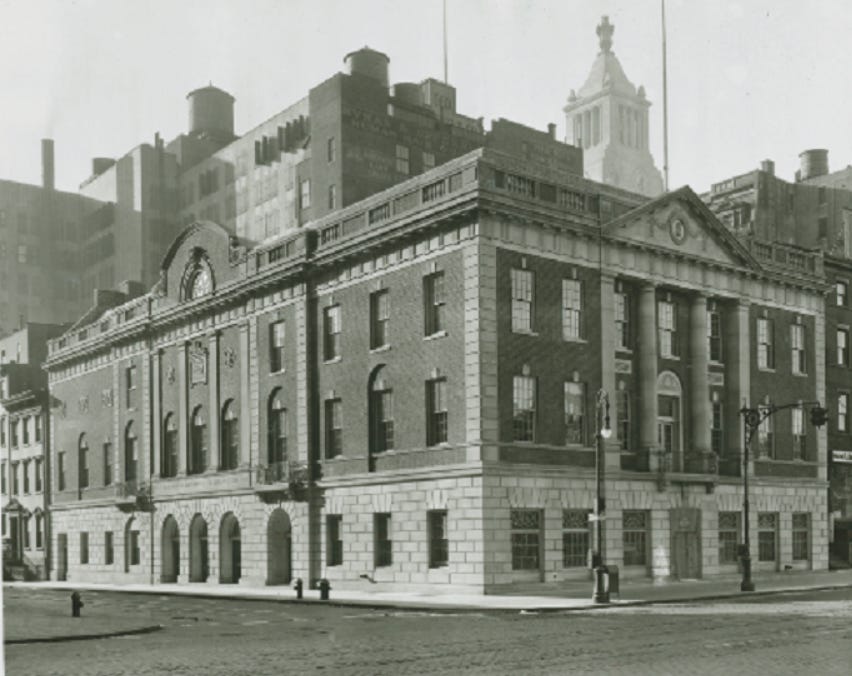
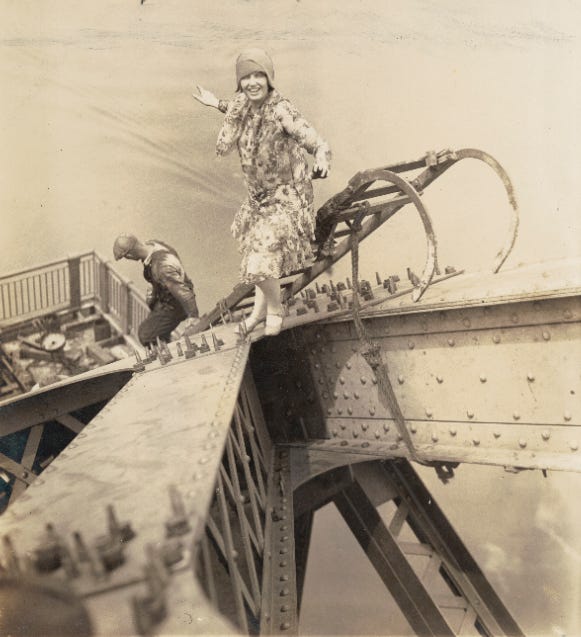
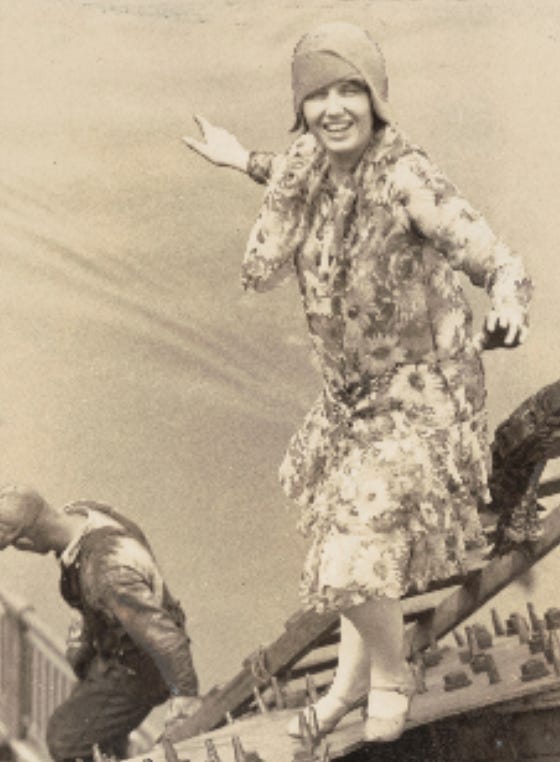
VIVIAN SHIRLEY ATOP THE TACONY BRIDGE WHILE IT WAS BEING CONSTRUCTED
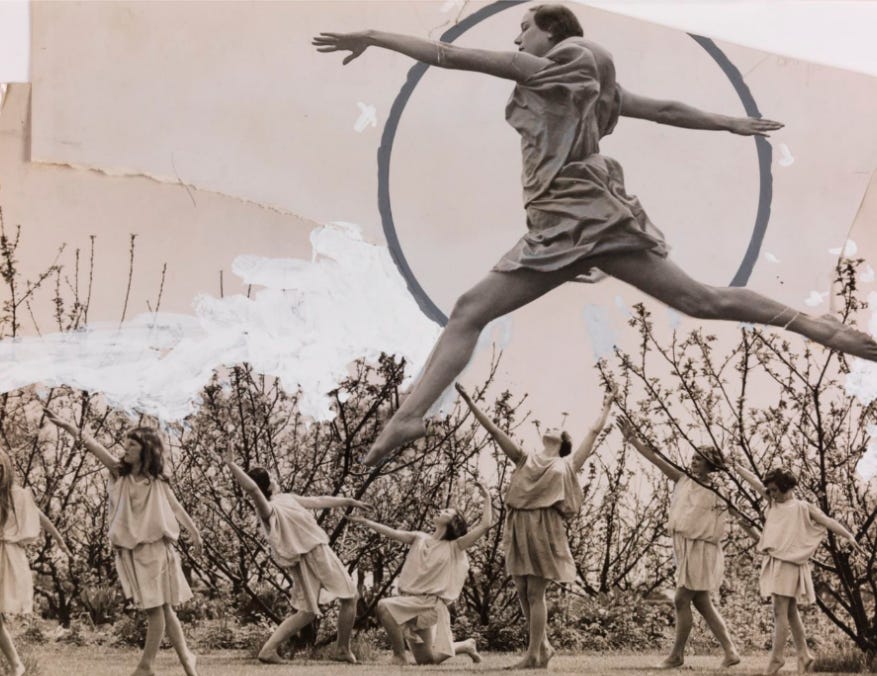
MARGARET MORRIS DANCE SCHOOL, 1930s:
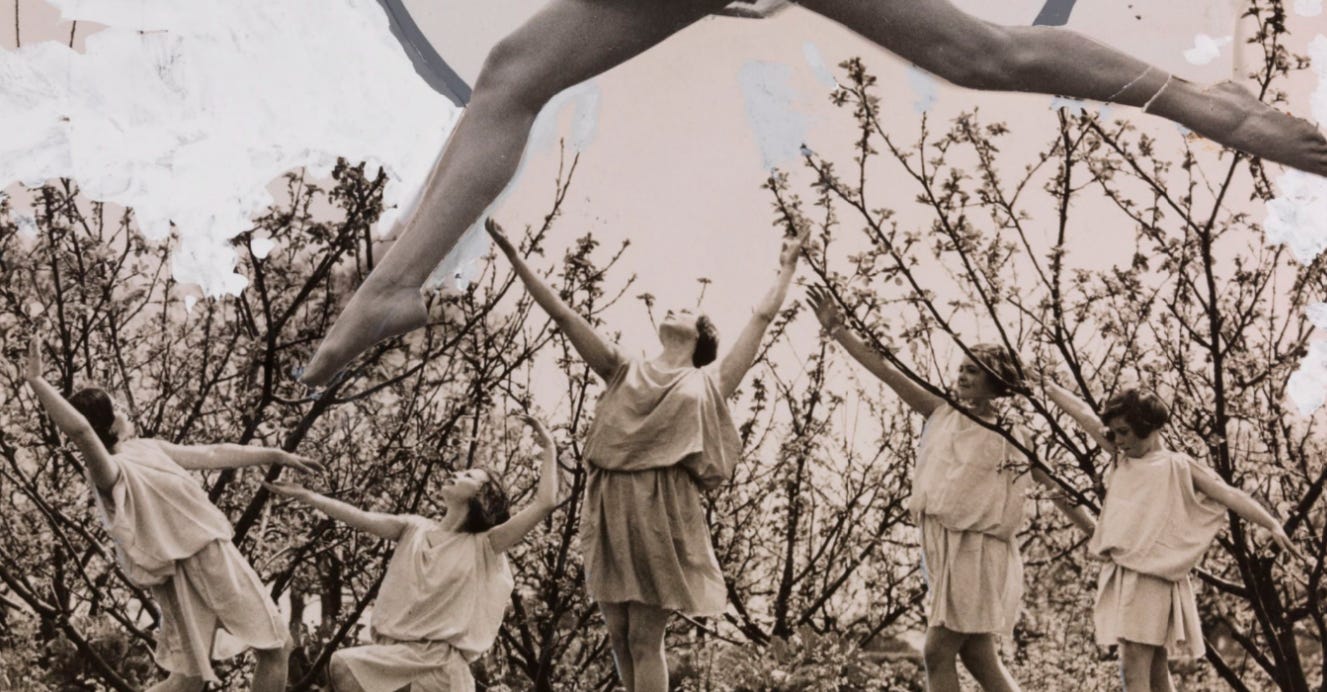
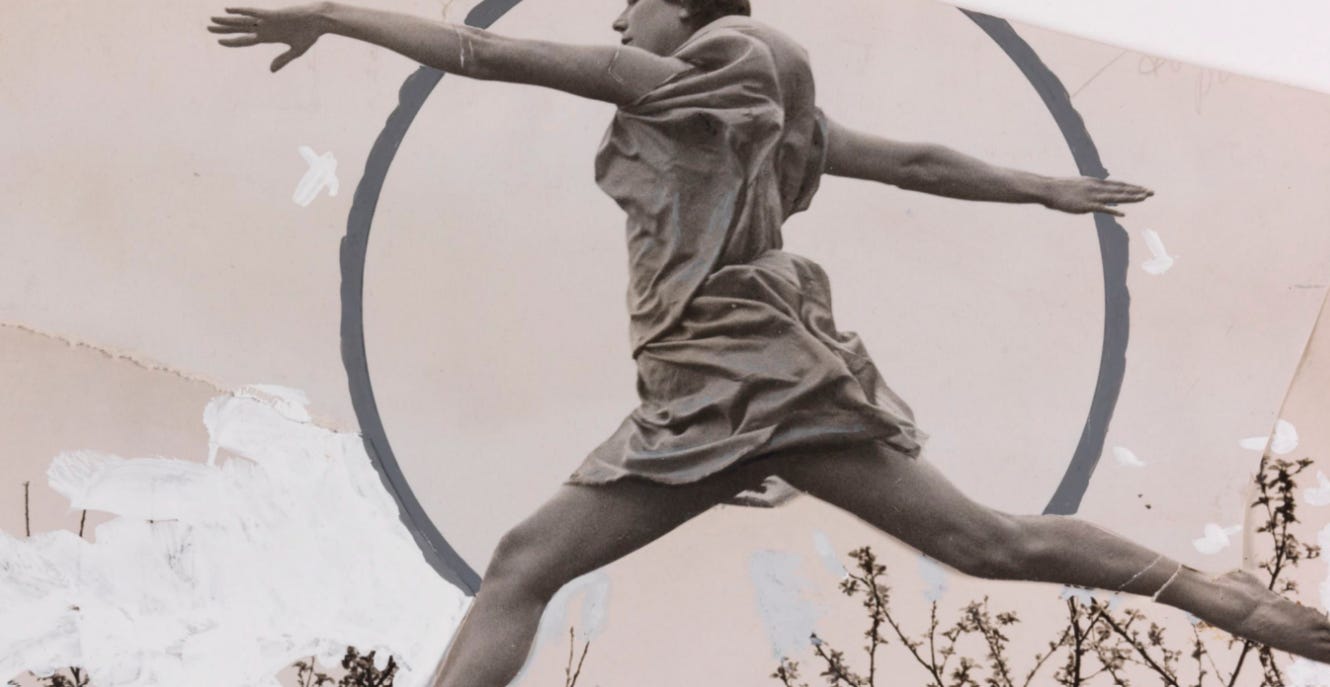
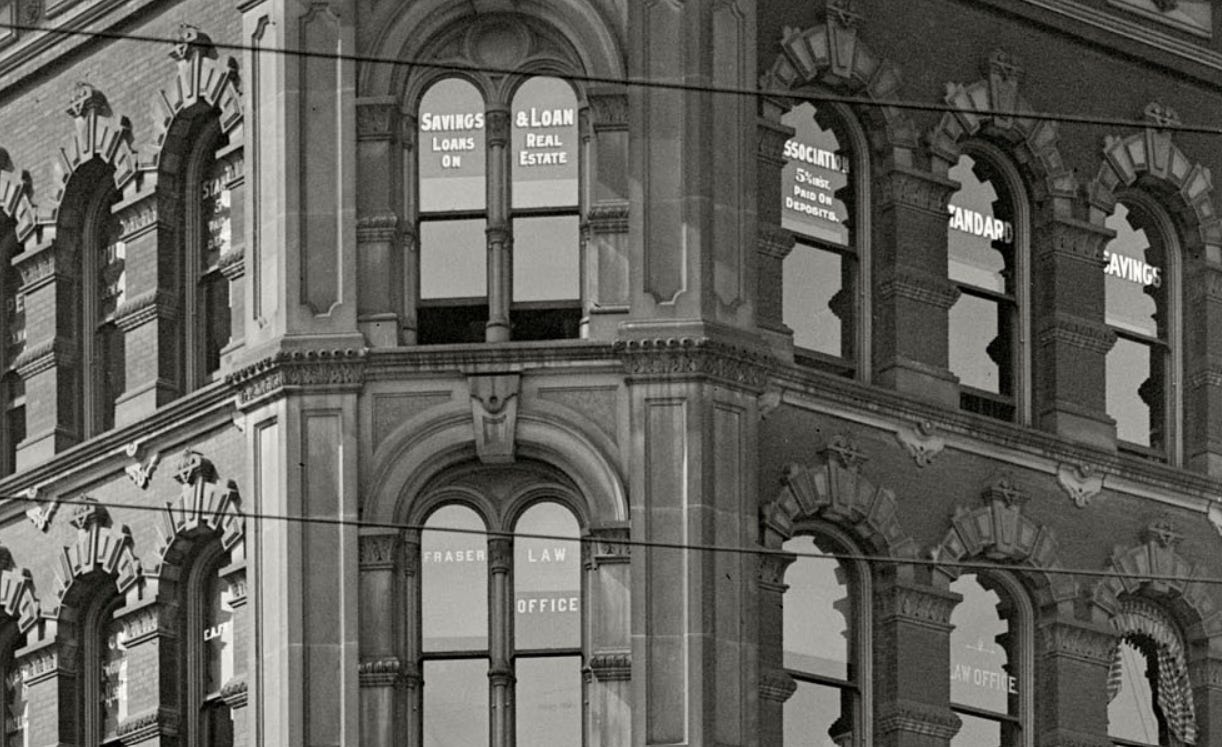
1908 MICHIGAN SAVINGS BANK
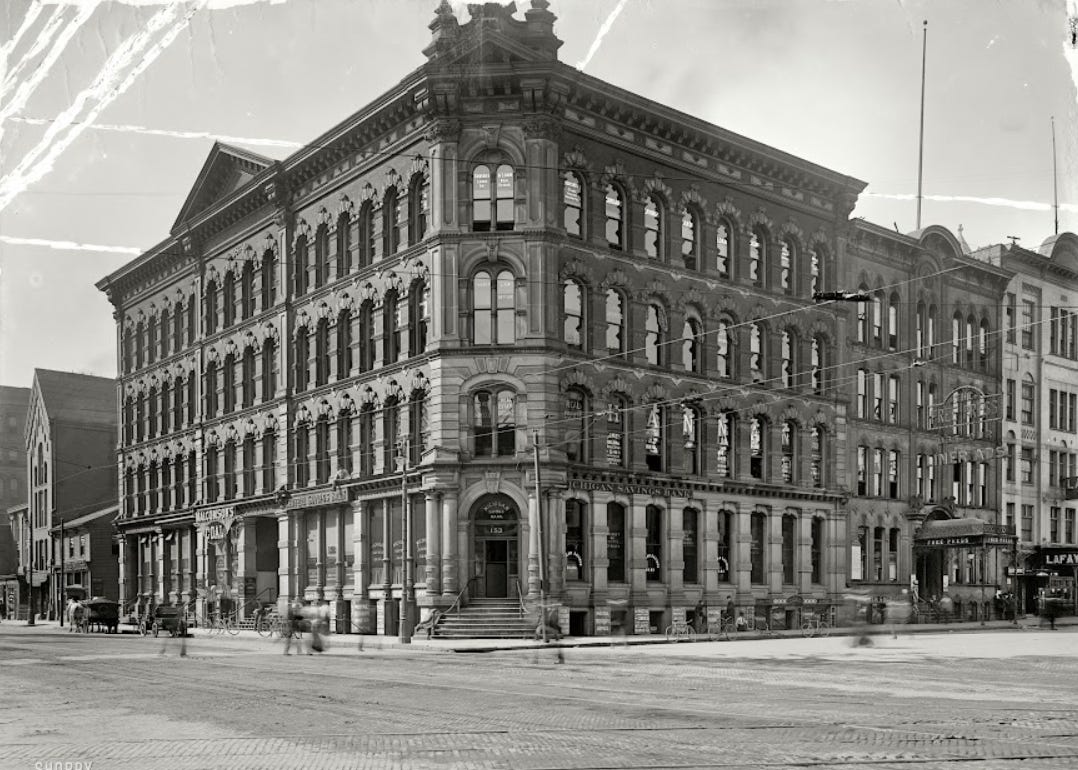
Is this even a photograph? Or just art? Or art combined with photography?
ATLANTA SERVICE WAREHOUSE FIRE, 1937
The good firemen are battling a fire!
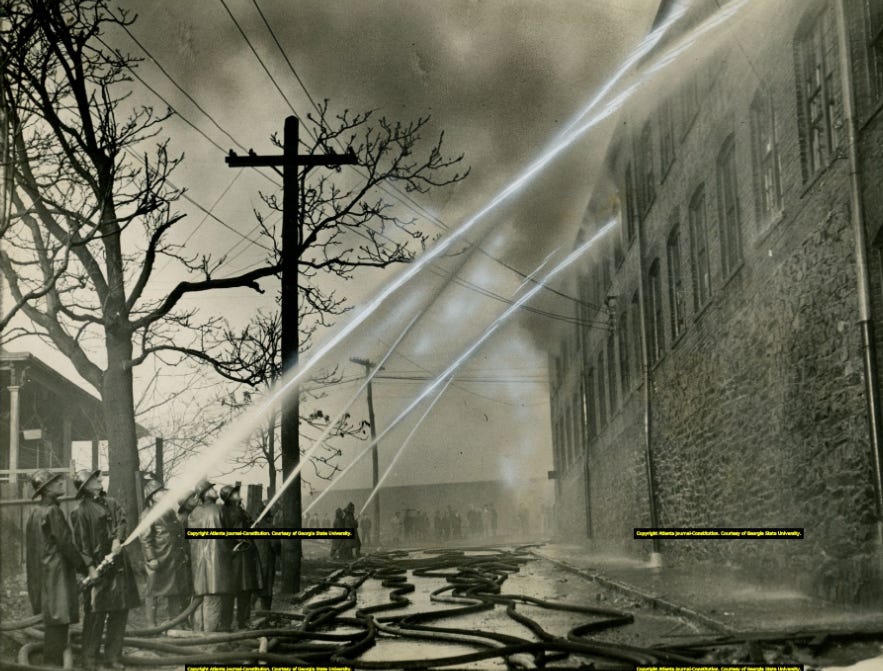
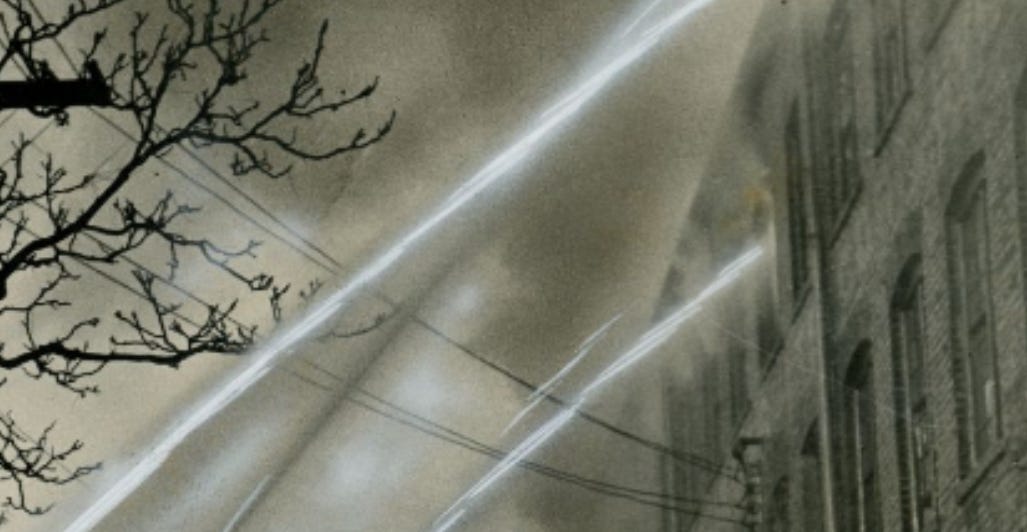
EMPIRE HOTEL
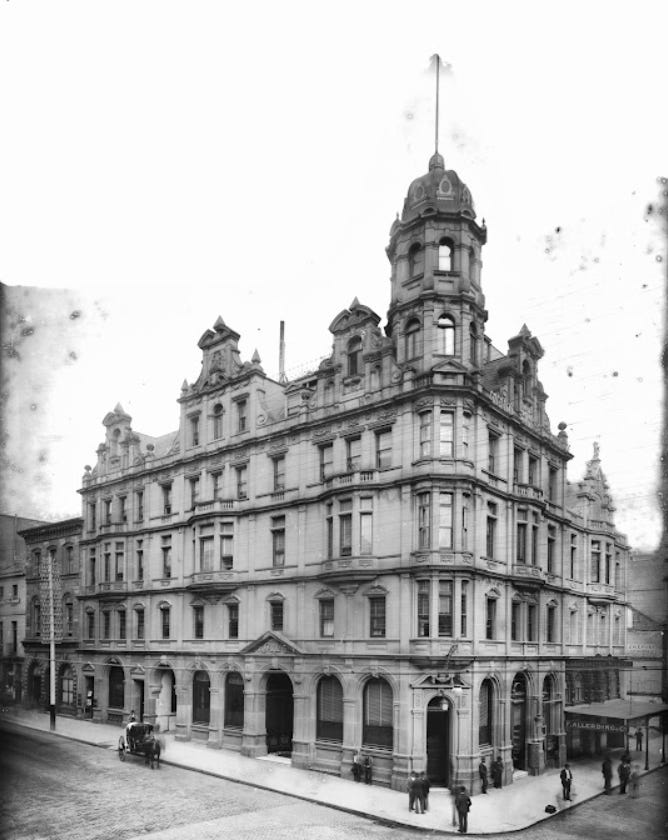
What even is this? What are these black lines everywhere?
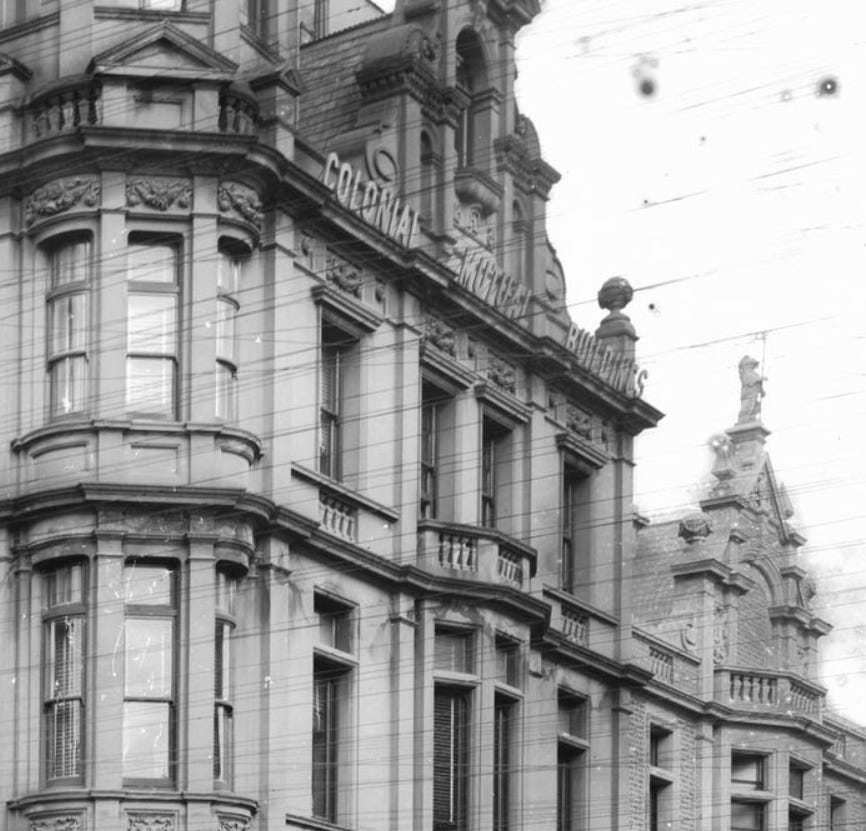
LEGER NEWS BUILDING 1930s
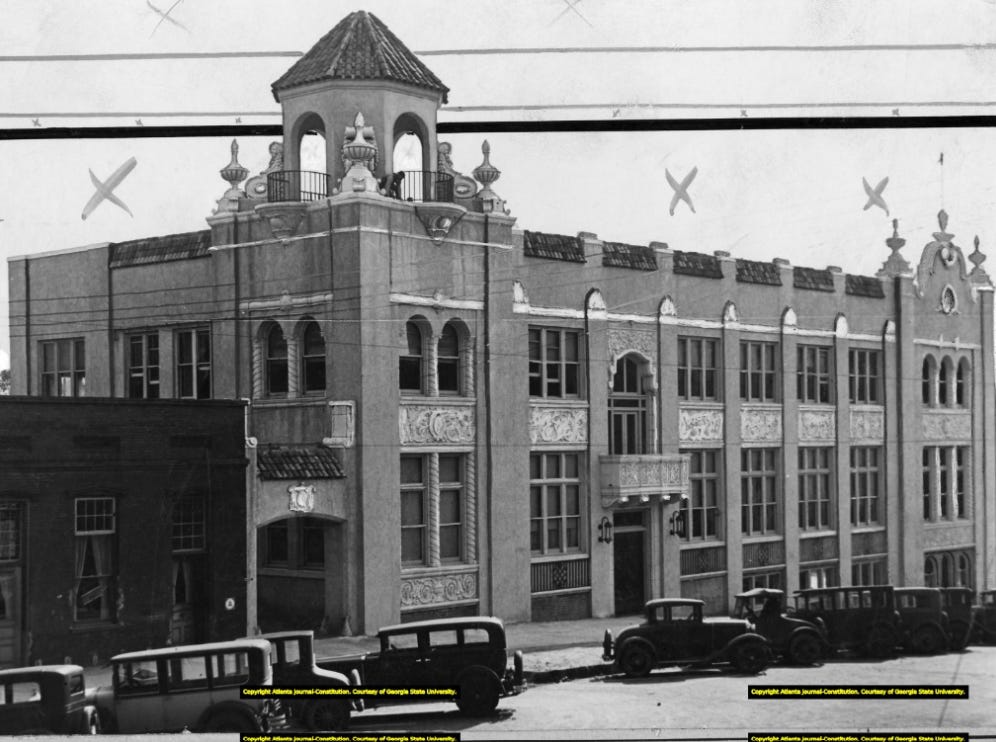
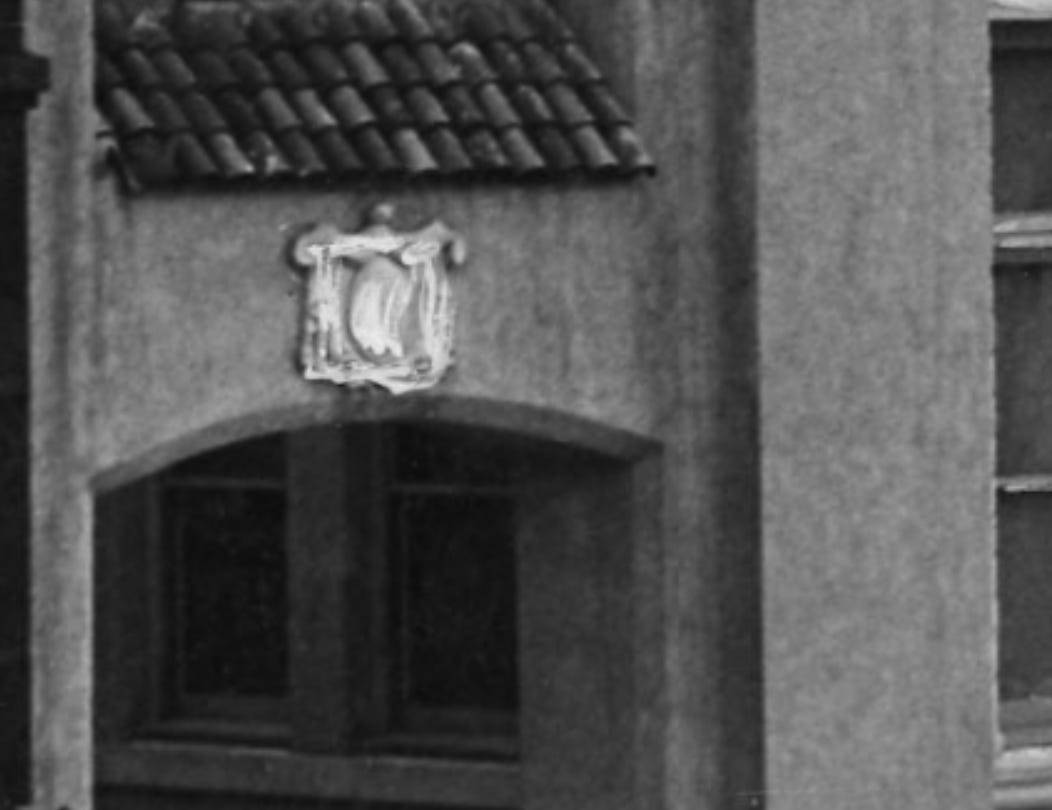
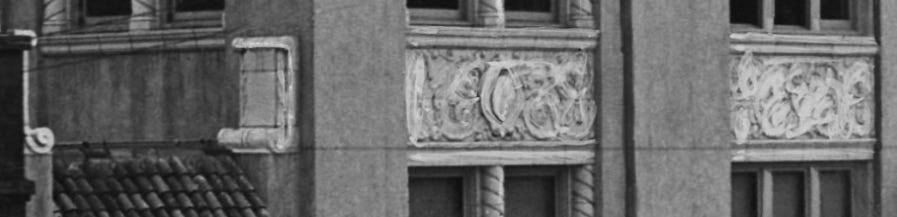
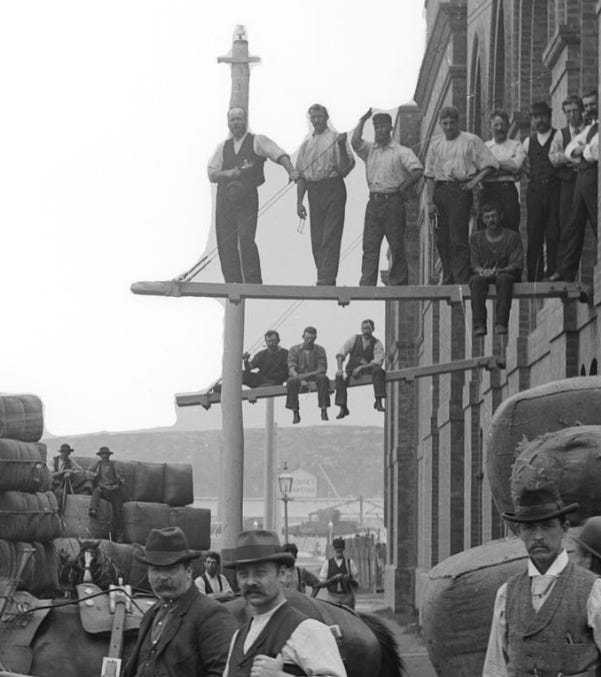
SYDNEY, AU HAULING WOOL
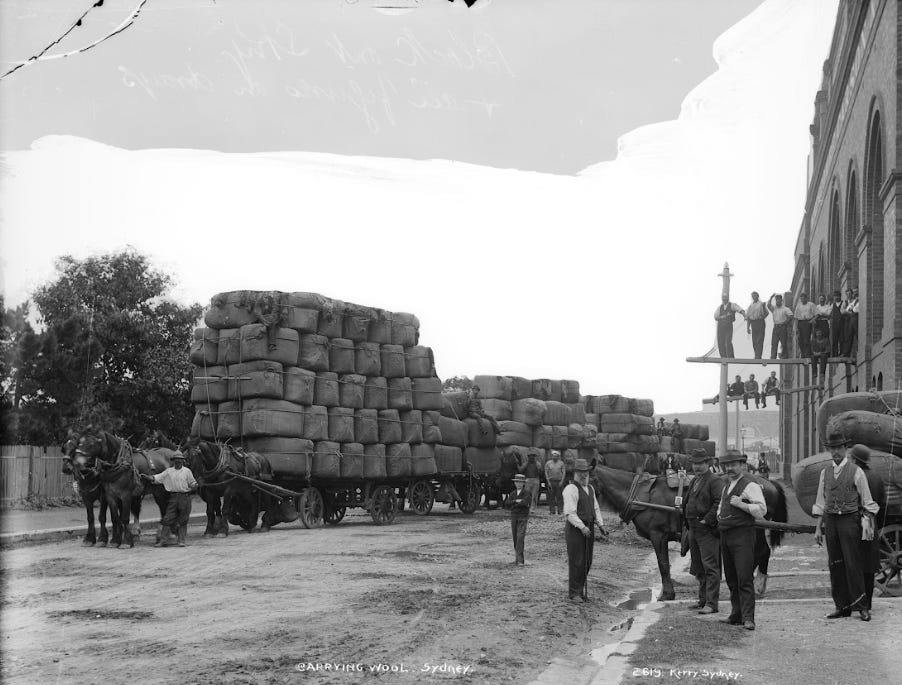
See all of the legs?
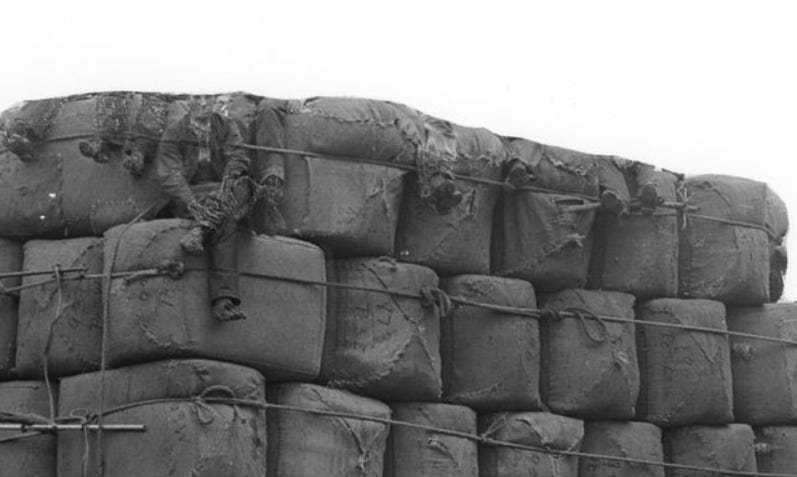
Why did they remove all of these men?
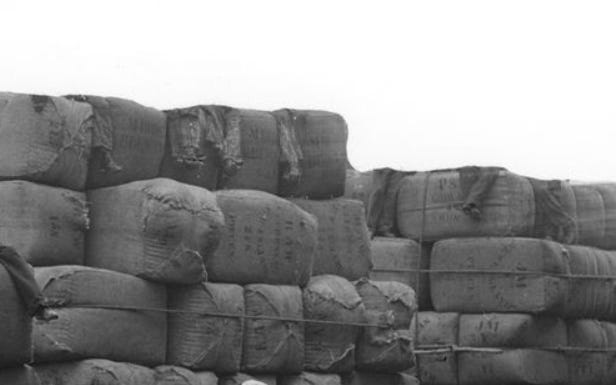
And what’s going on here?
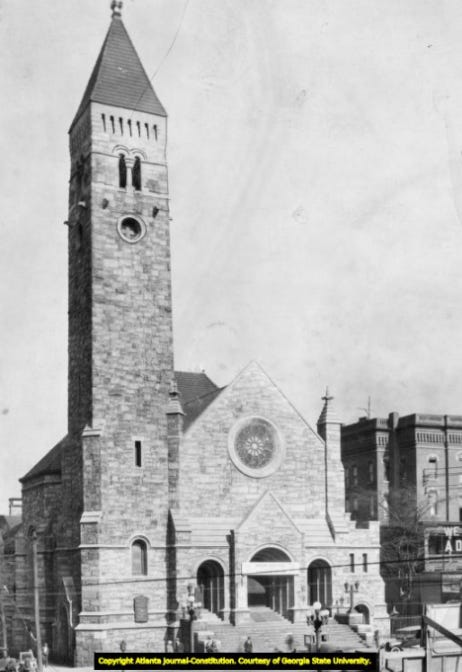
FIRST BAPTIST CHURCH, GA 1930s
How much of what we have been shown is fake?
1911 FLATIRON BUILDING
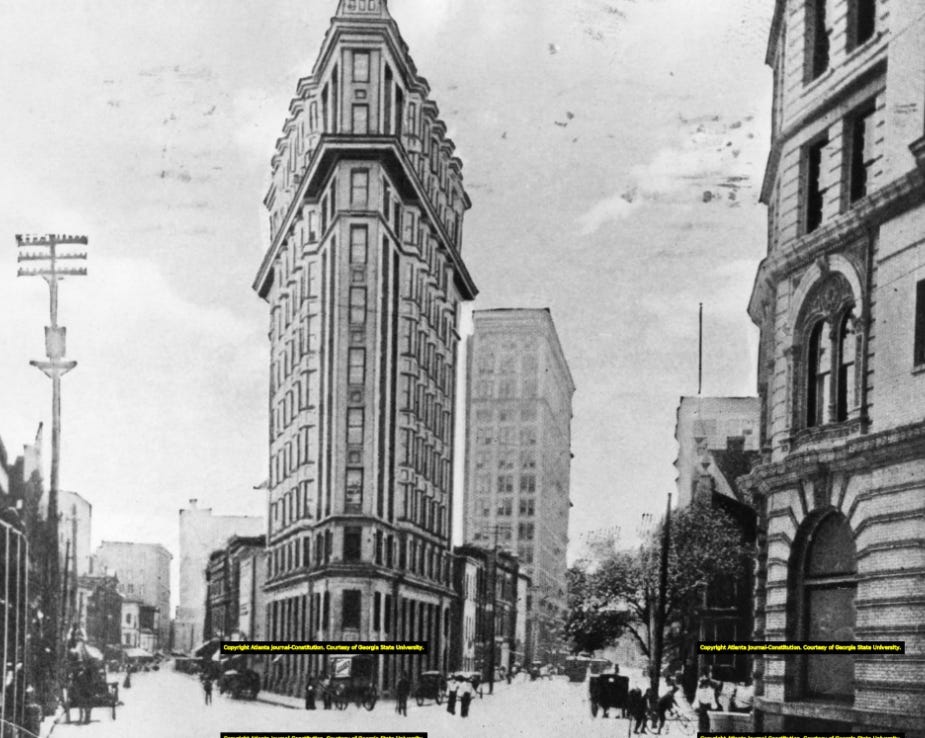
When we are shown these old photos, we have to zoom in on all of them.
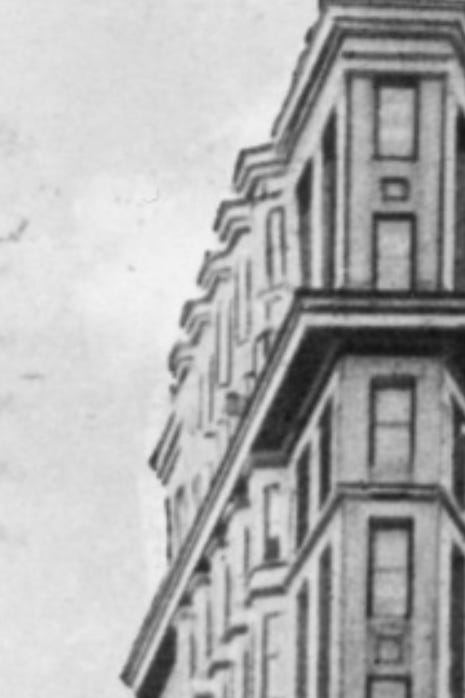
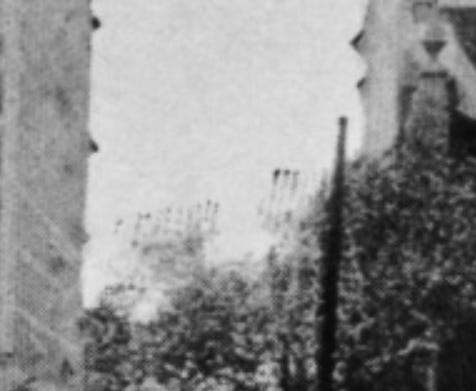
Some people in the Truth movement are saying the editing was to remove flying objects. Clearly that isn’t true. I mean, maybe in some photos, but that is clearly not the case with the vast majority, such as this:
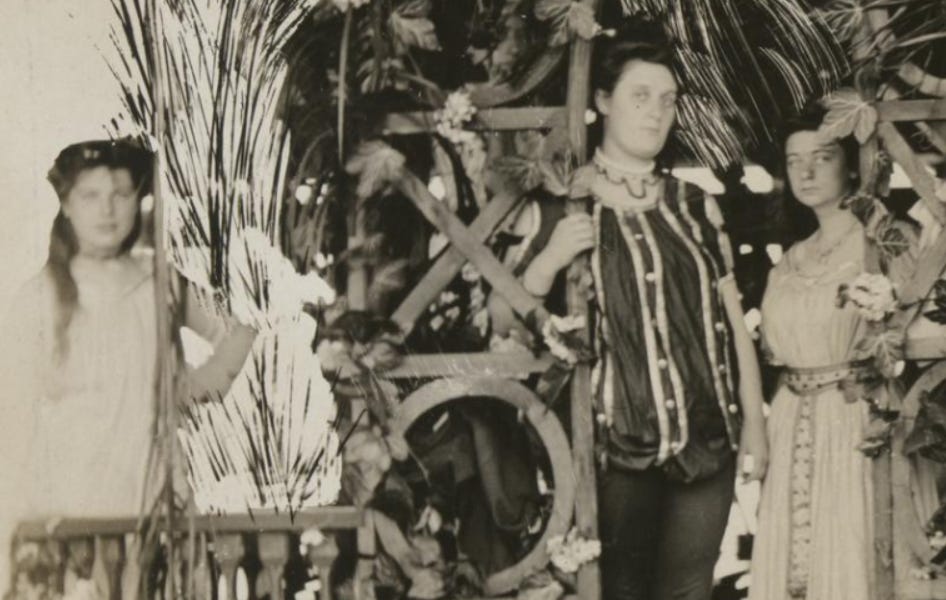
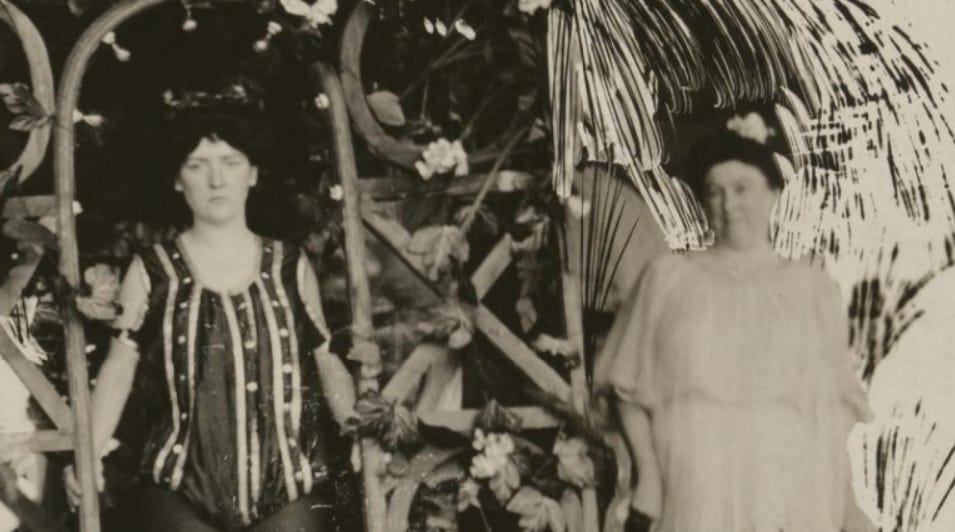
FLOATS PARADE
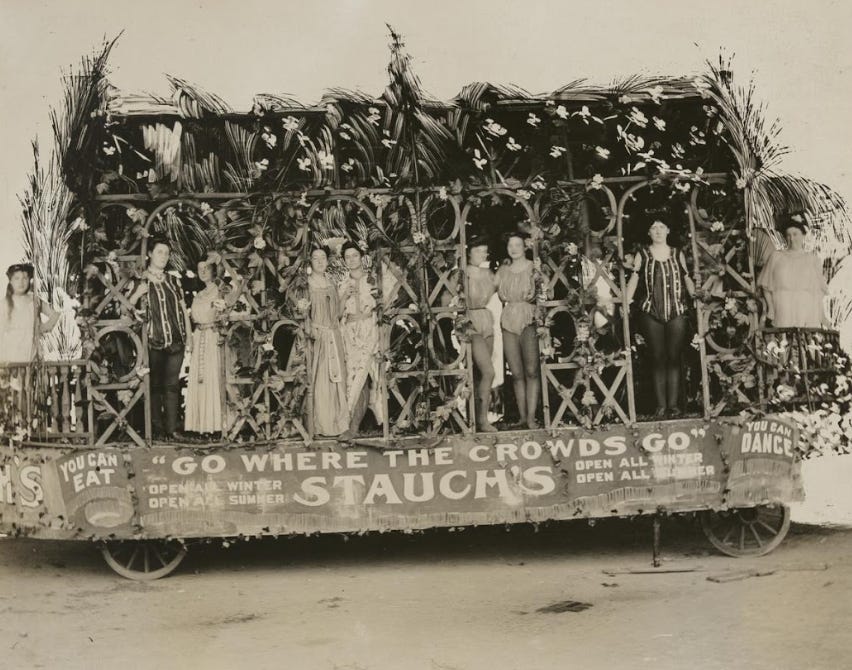
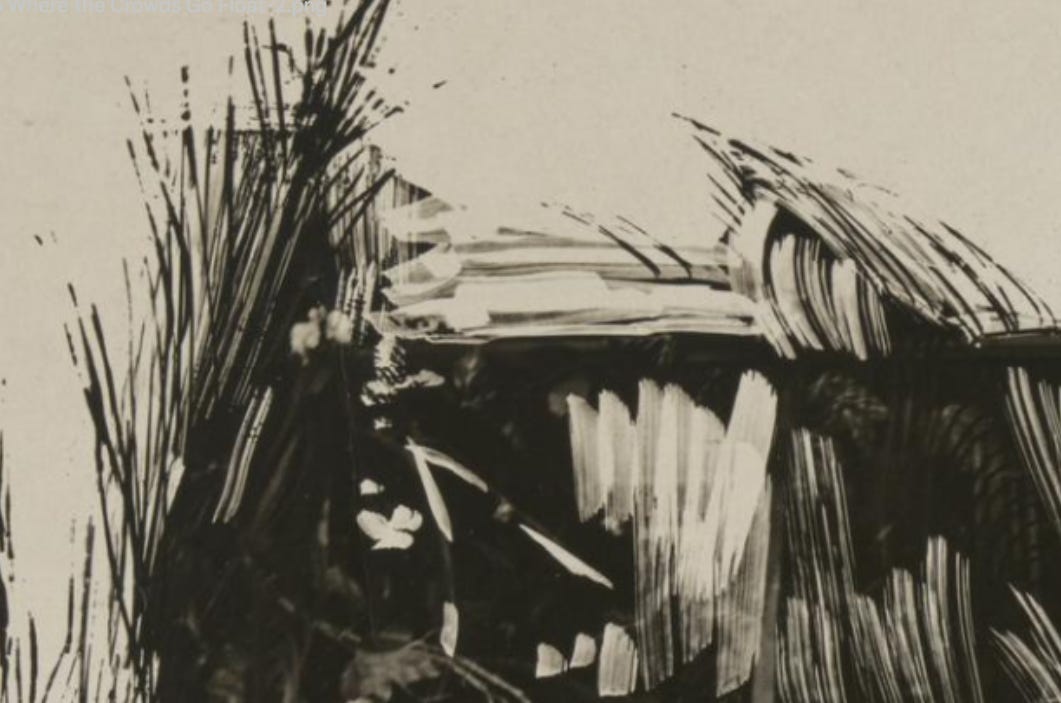
I suspect the person on the left was added to the photo:
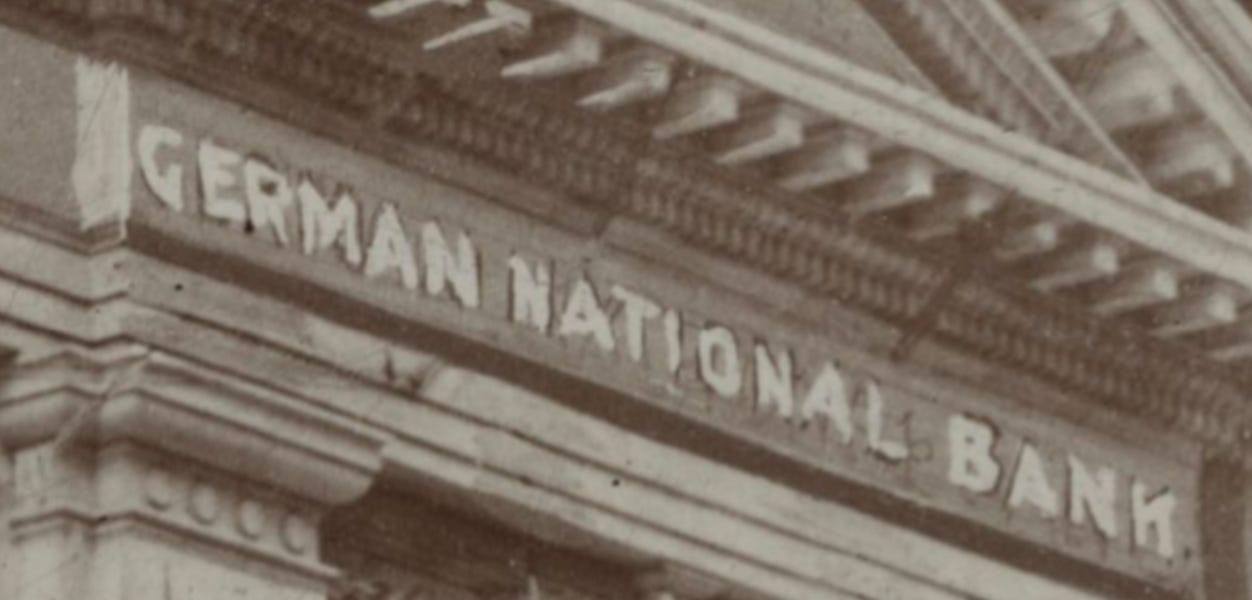
GERMAN NATIONAL BANK OHIO
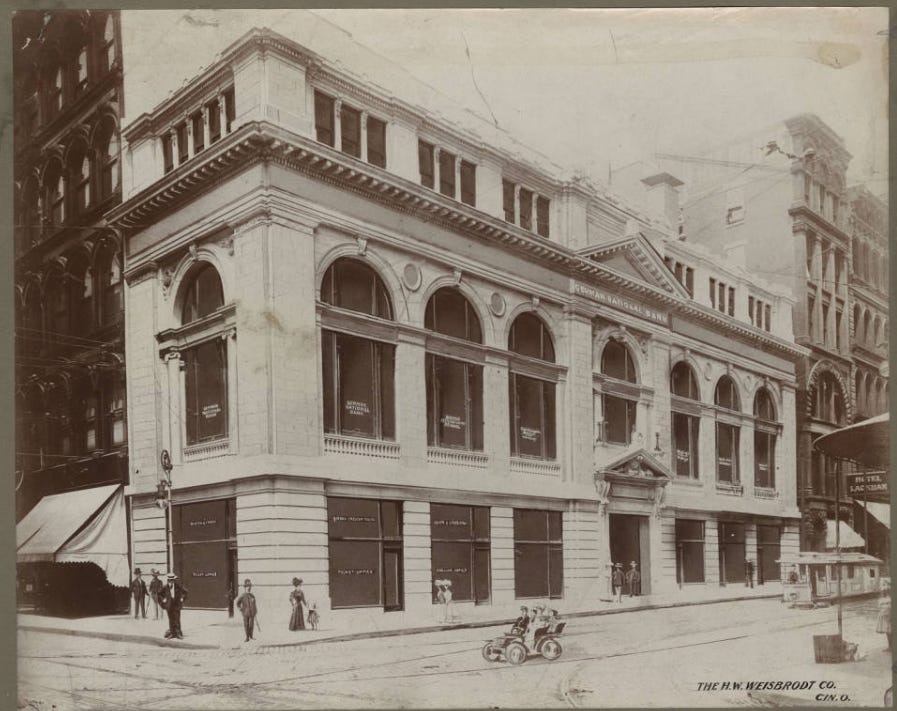
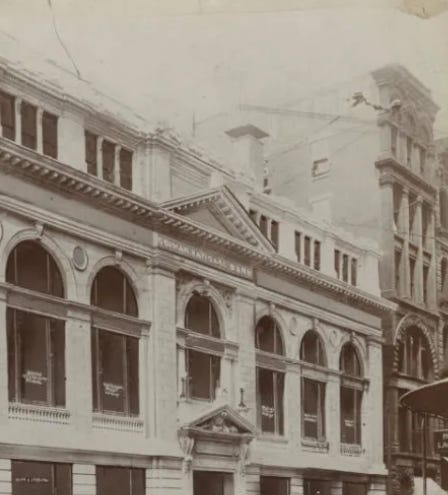
The people are all art. These people did not exist in that photo:
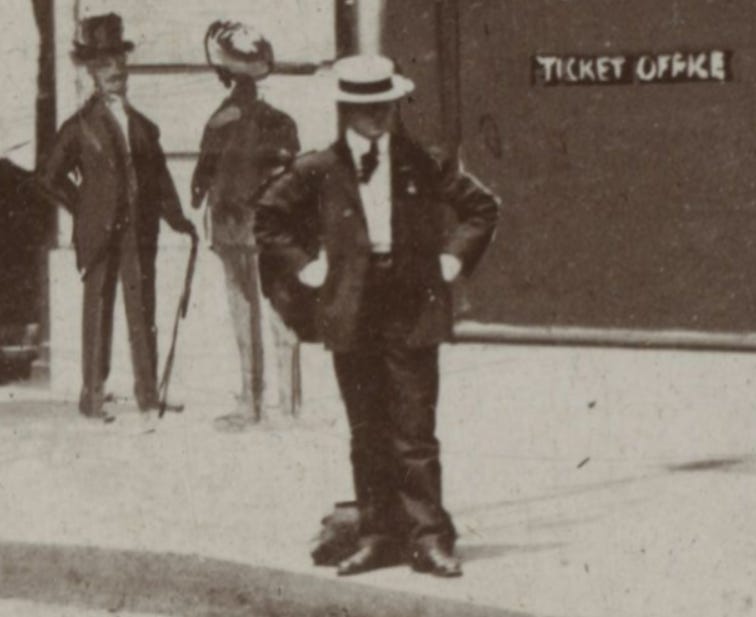
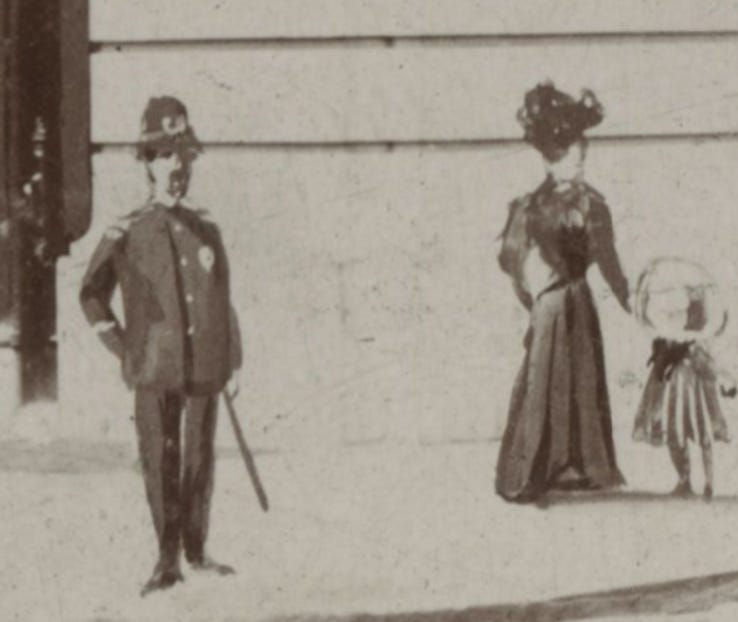
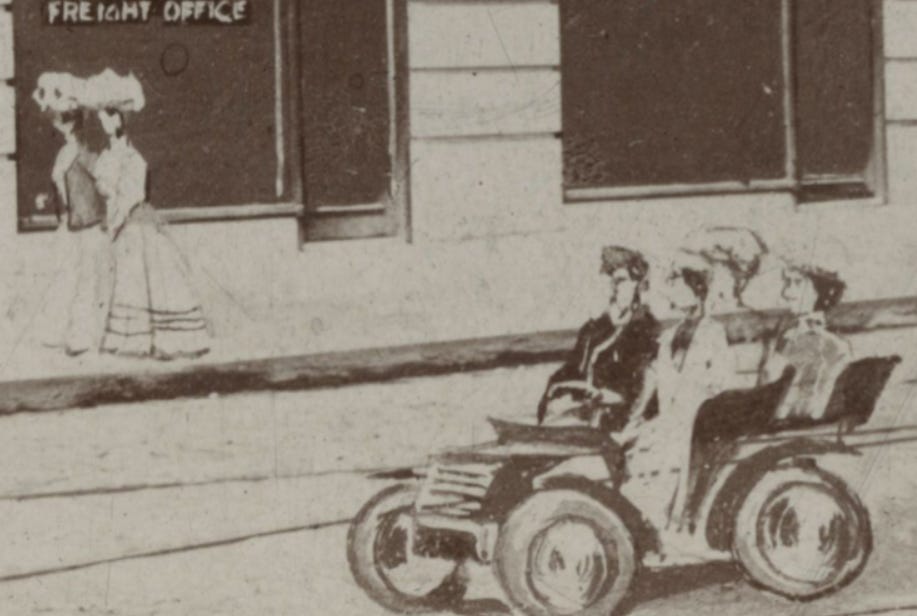
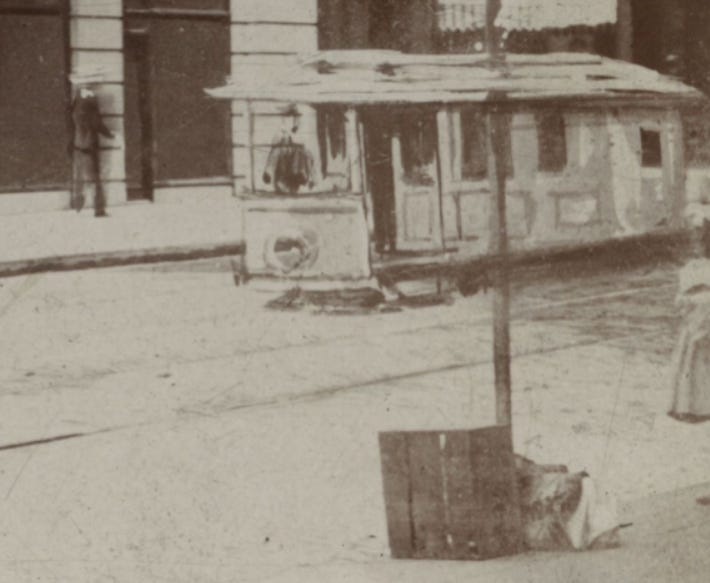
PARADE
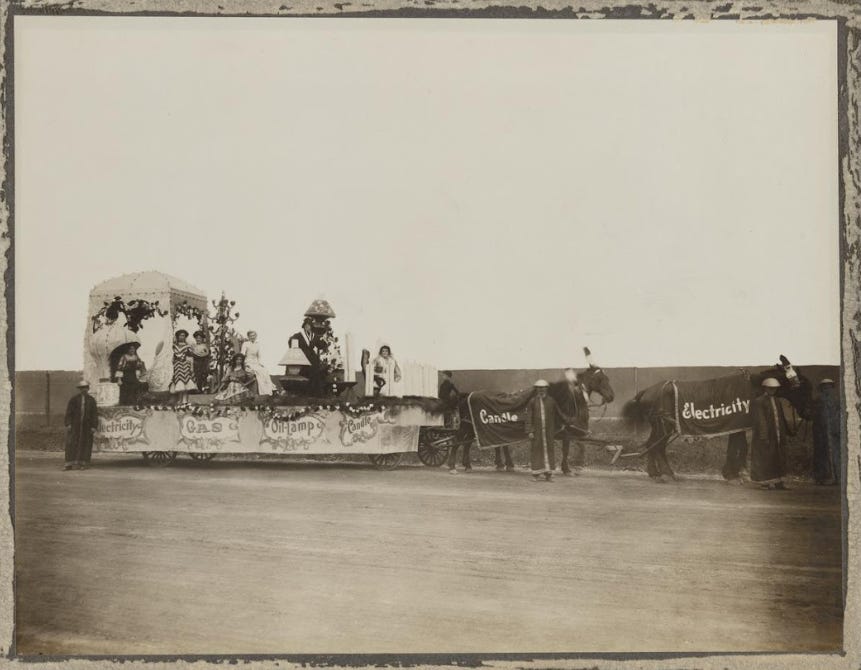
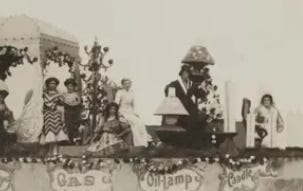
DISNEY CINDERELLA PARADE
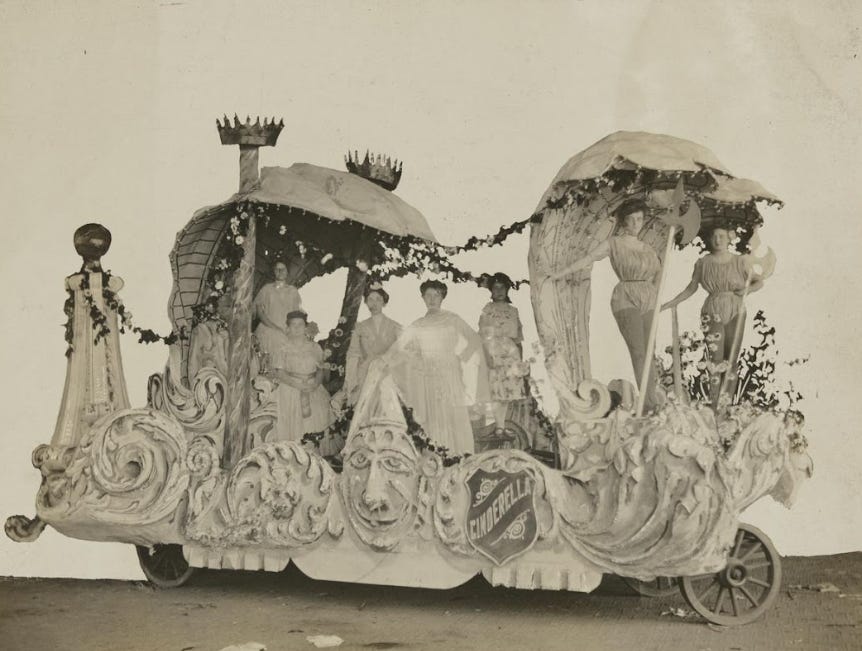
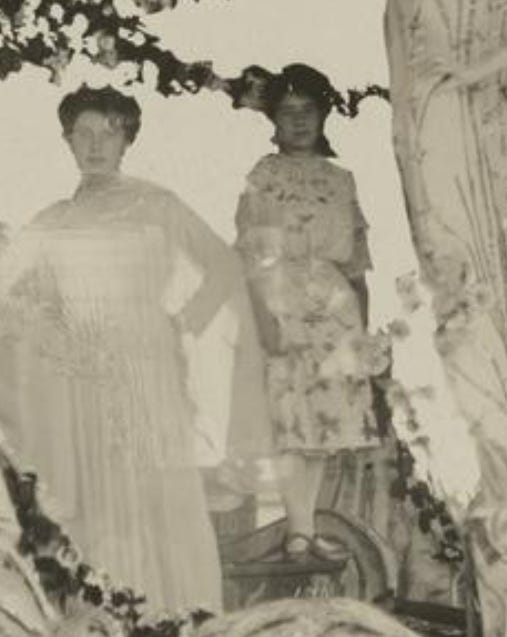
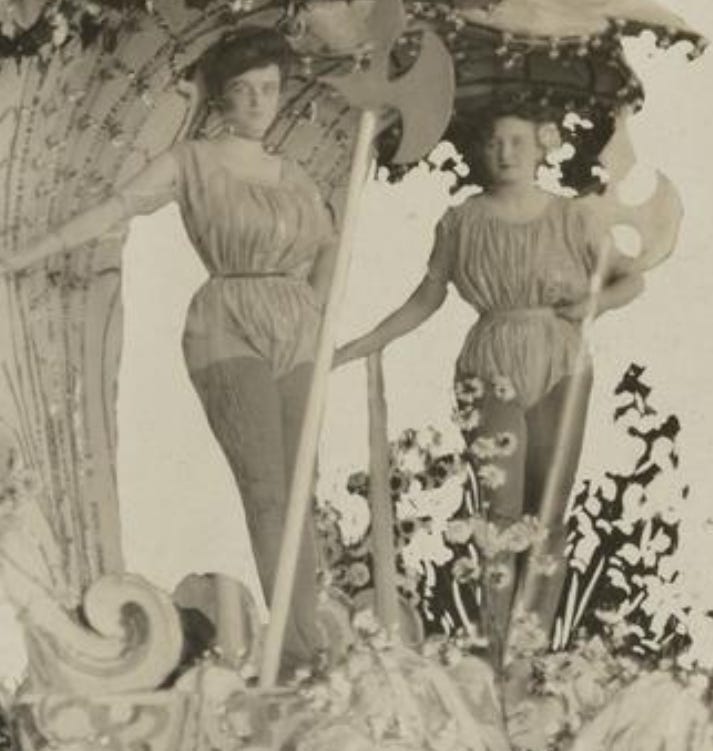
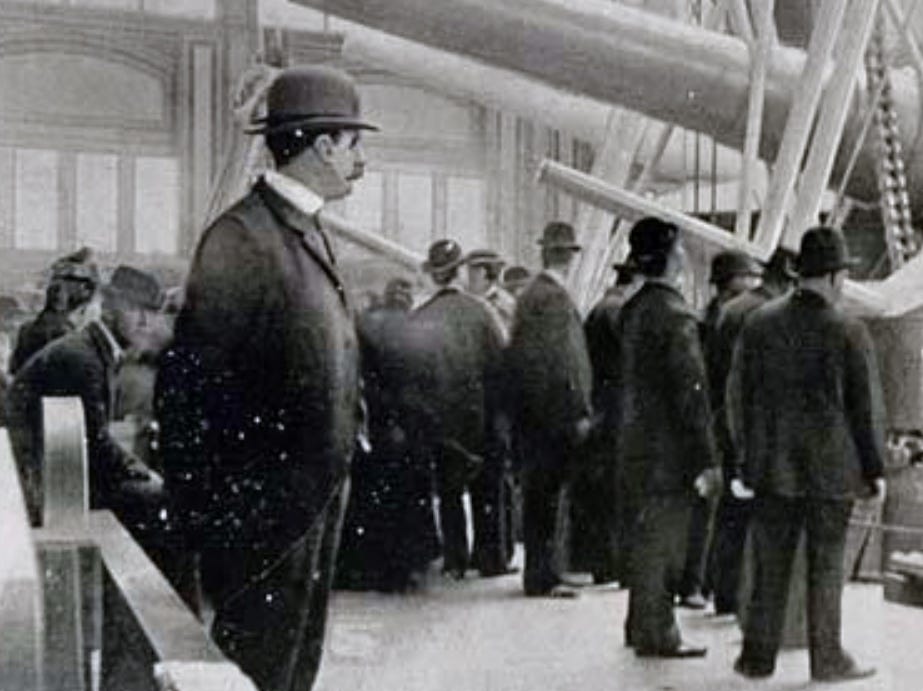
1876 KRUPP GUN EXHIBITION
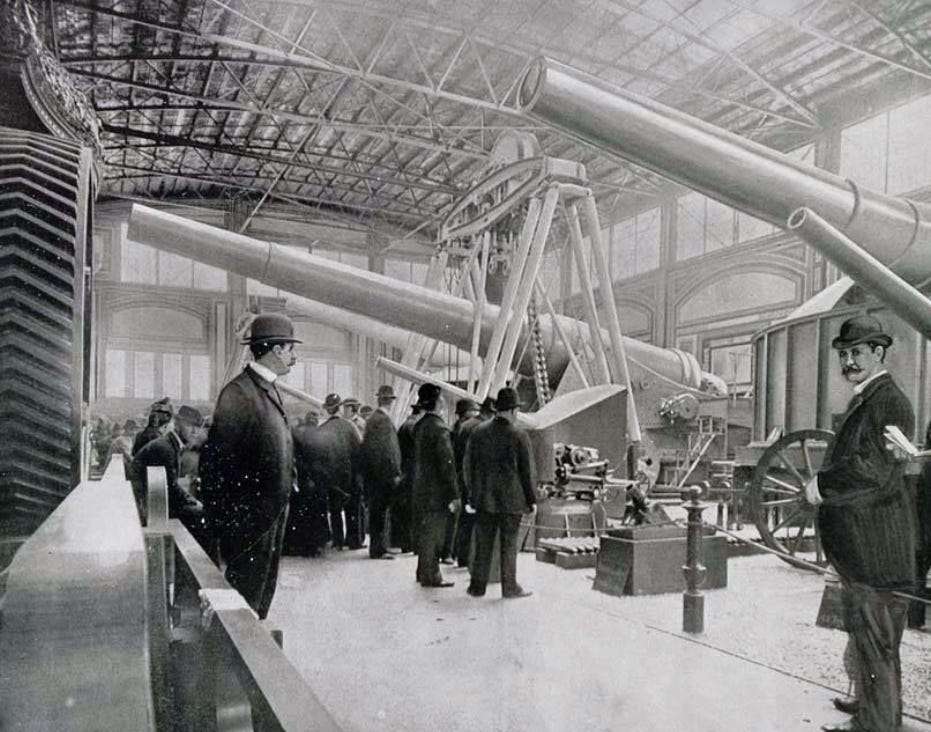
This whole thing looks like art to me:
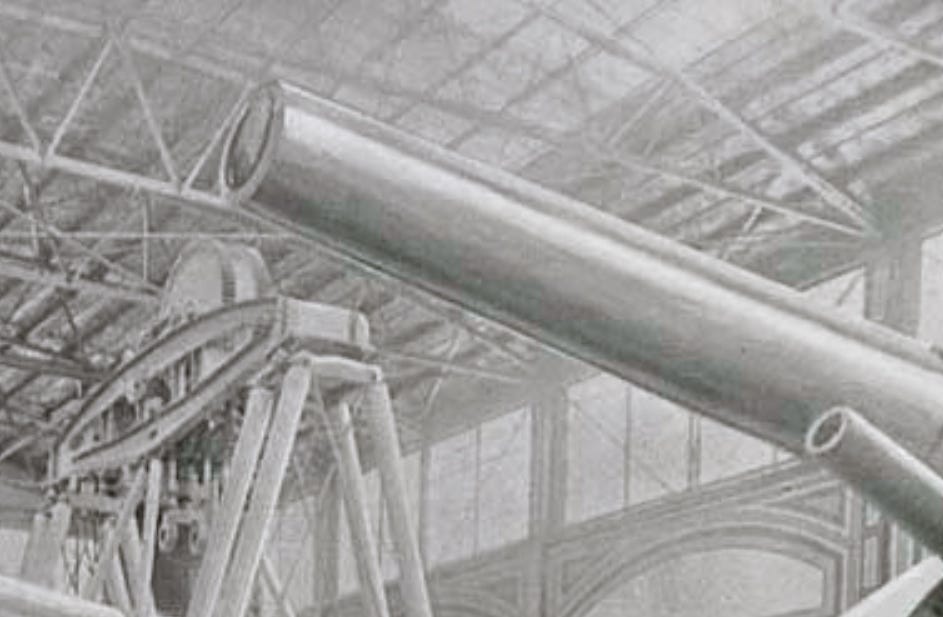
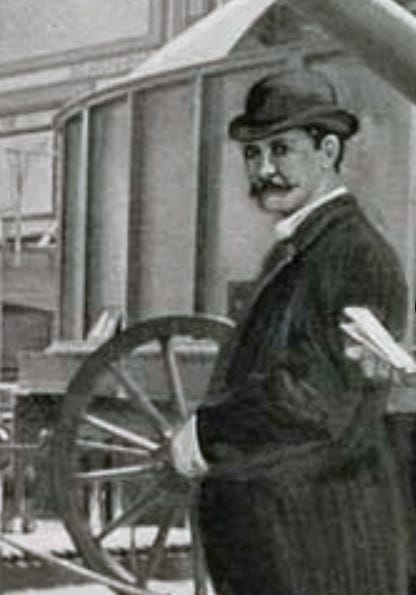
Maybe some of these people are photographed and layered with art?
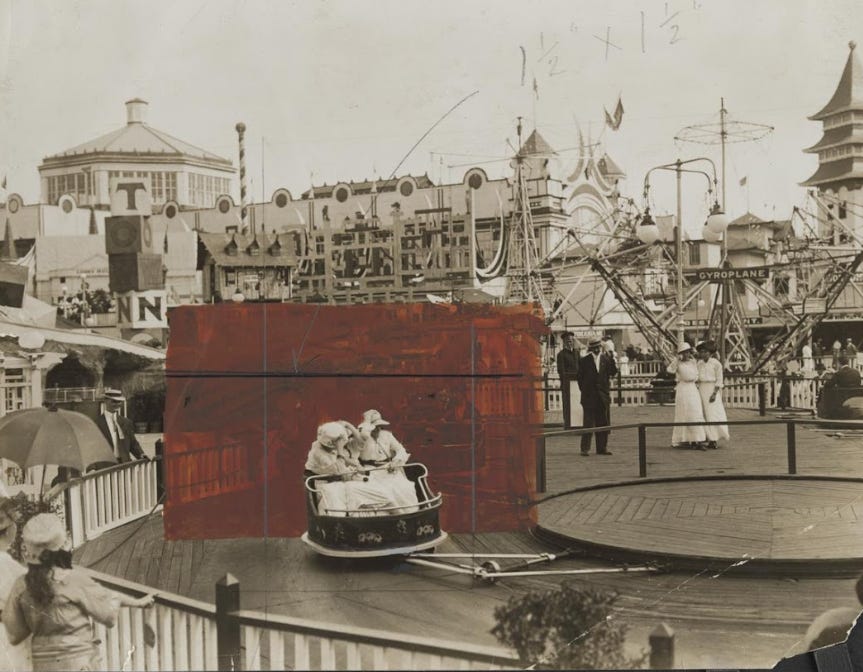
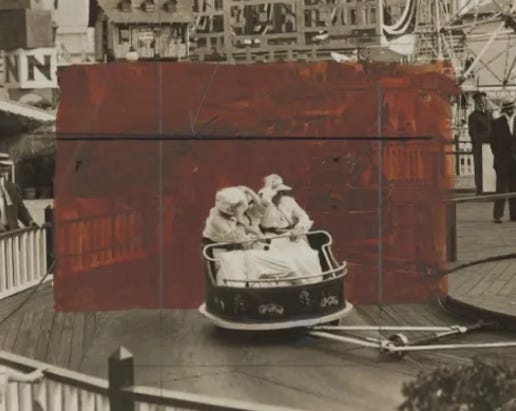
LUNA PARK
DETROIT
I'm from Detroit. Here we still have magnificent Greek / Roman buildings mixed in with modern poorly-built buildings, many of which have fallen apart over their short lifespan. The old buildings are still impeccable while the new buildings, built in the 1970s and onward, are trash. None of it makes any sense, just like these photos.
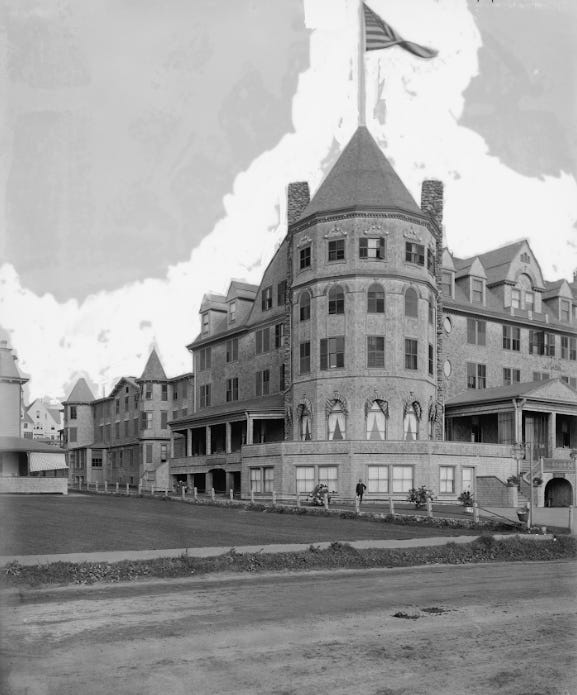
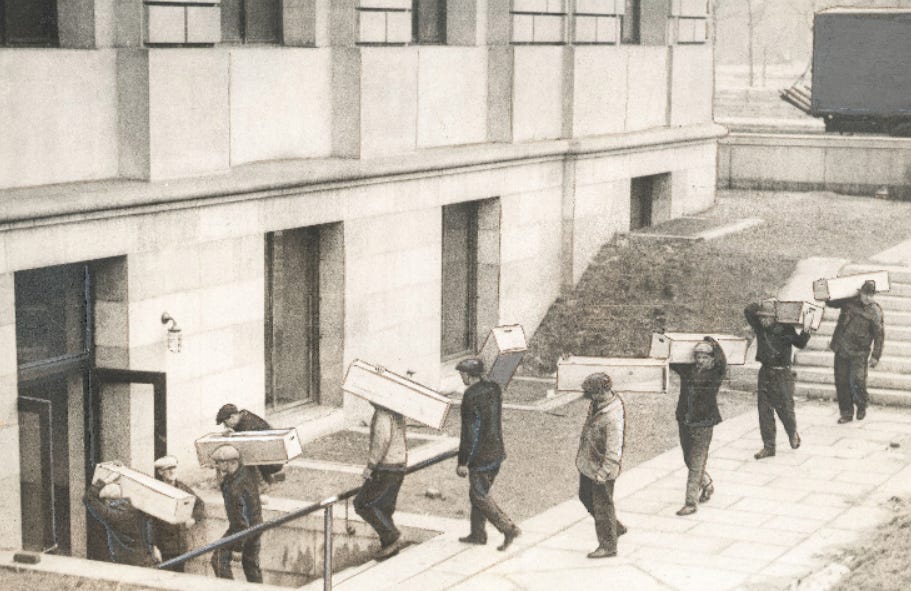
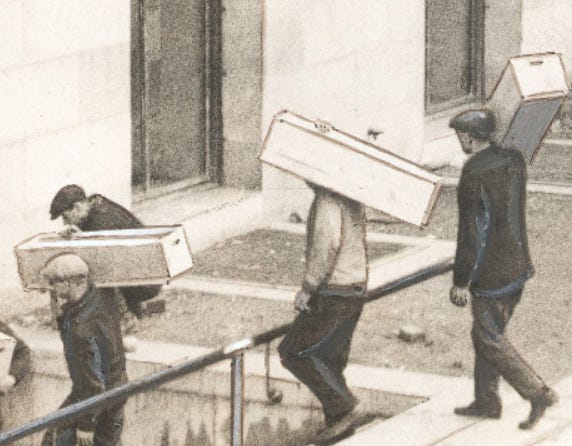
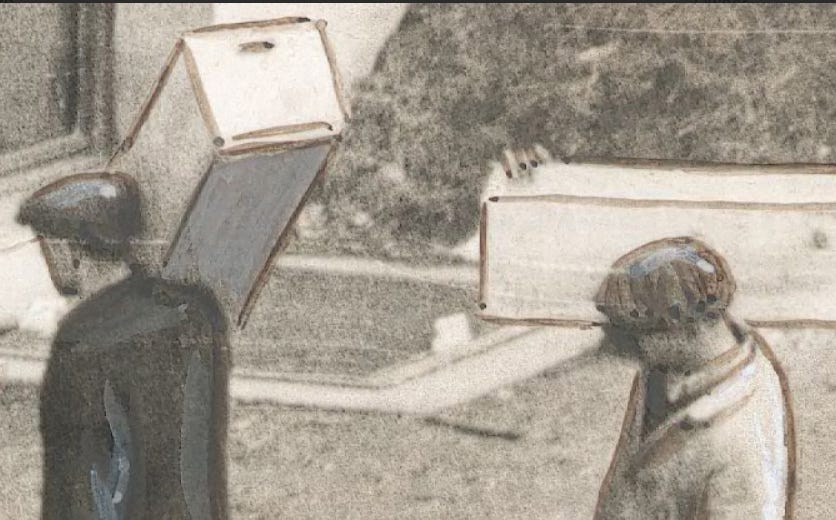
NEWS: “MOVING BOOKS INTO CENTRAL LIBRARY”
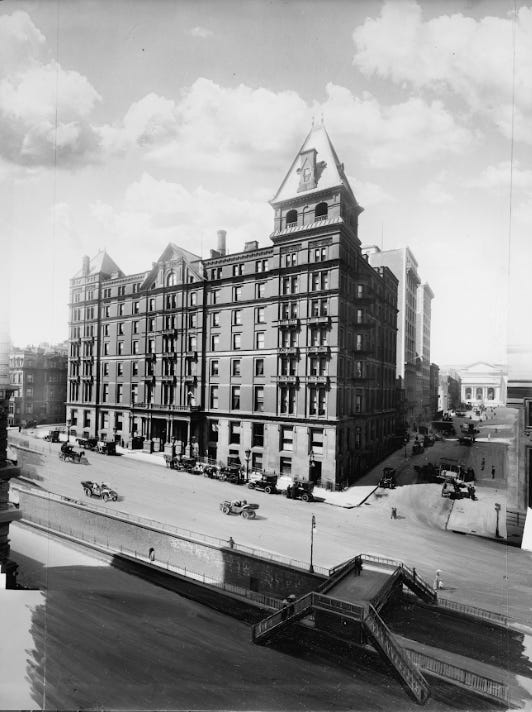
NEW YORK MURRAY HILL HOTEL, EARLY 1900s
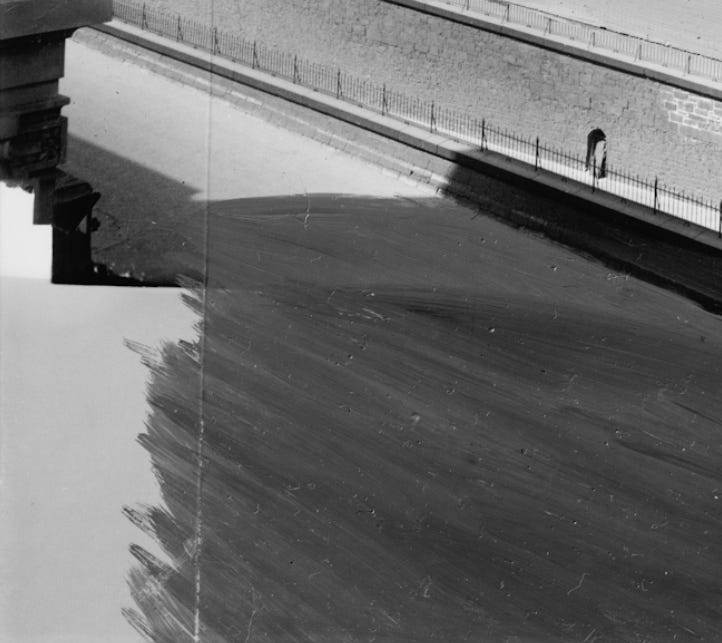
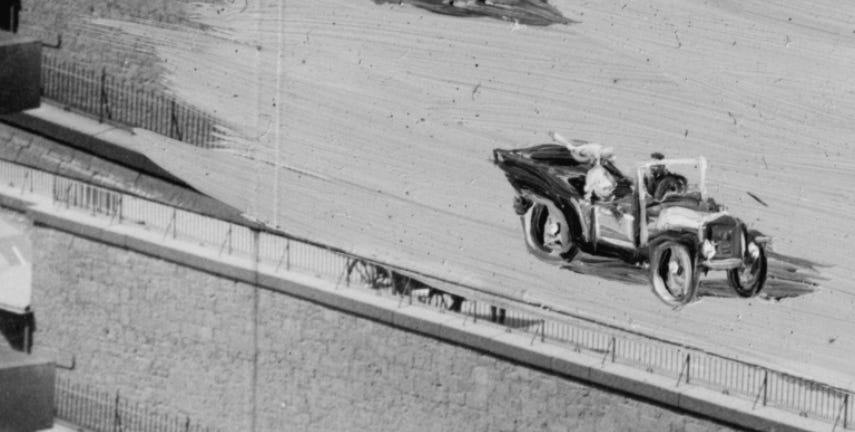
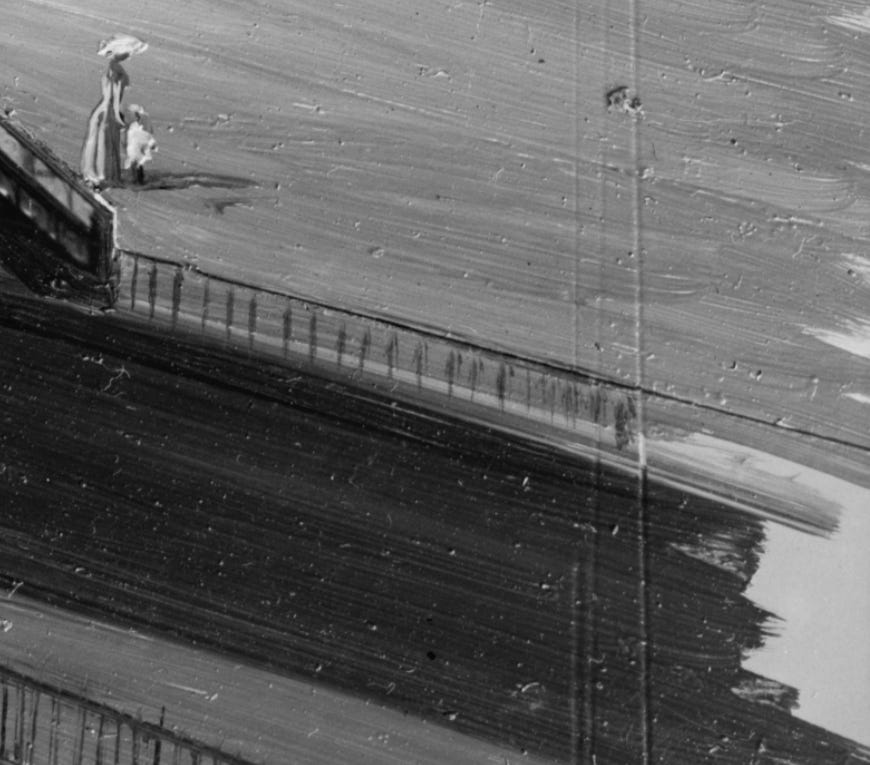
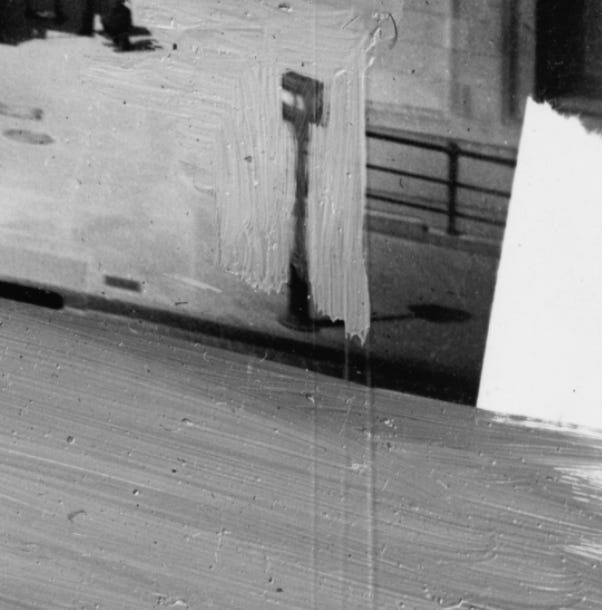
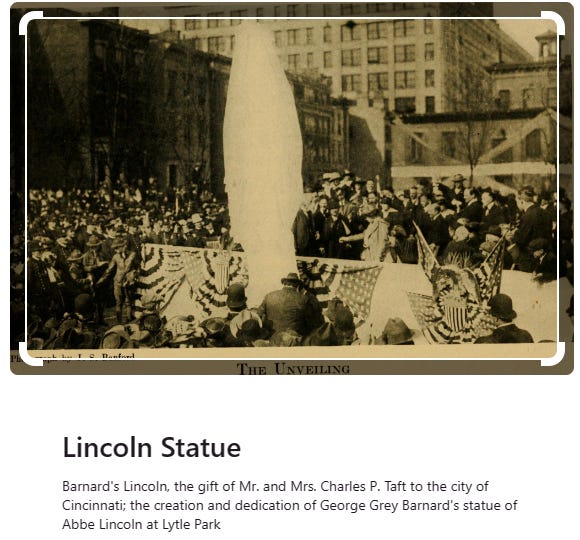
Here’s the Lincoln Statue when it was given as a gift:
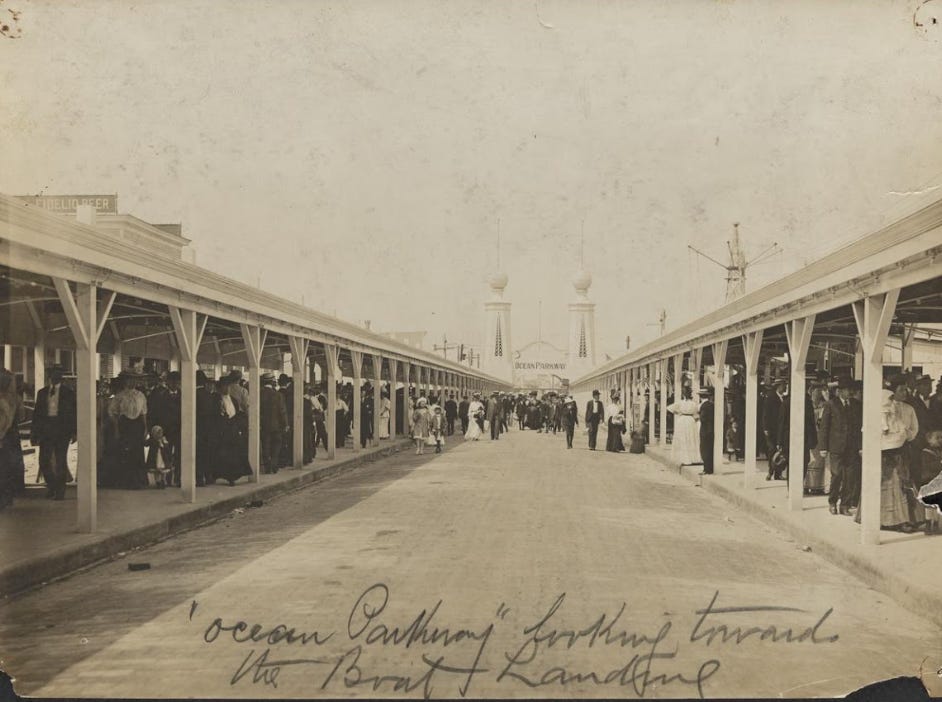
OCEAN PARKWAY WARD AVENUE
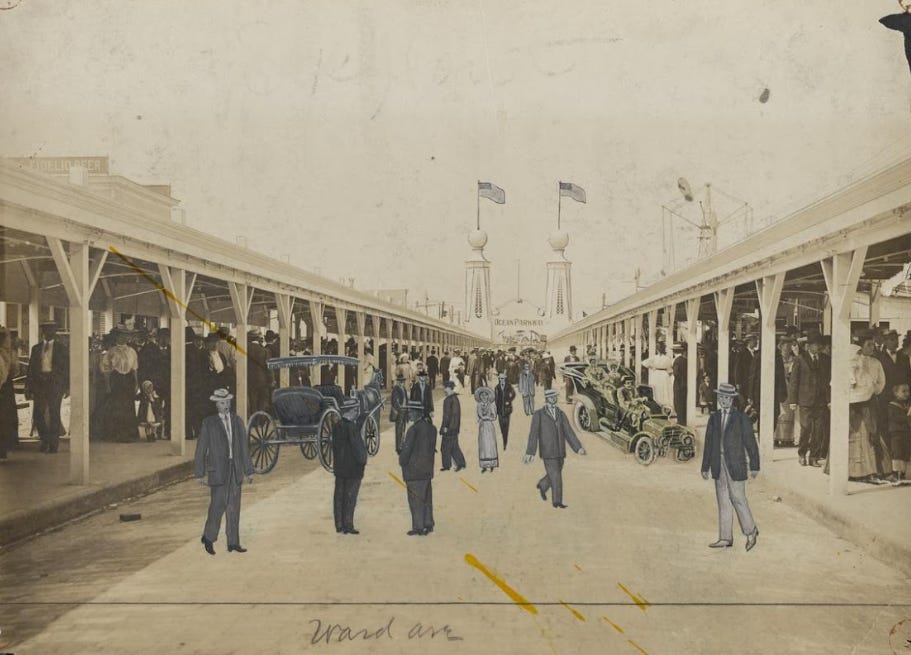
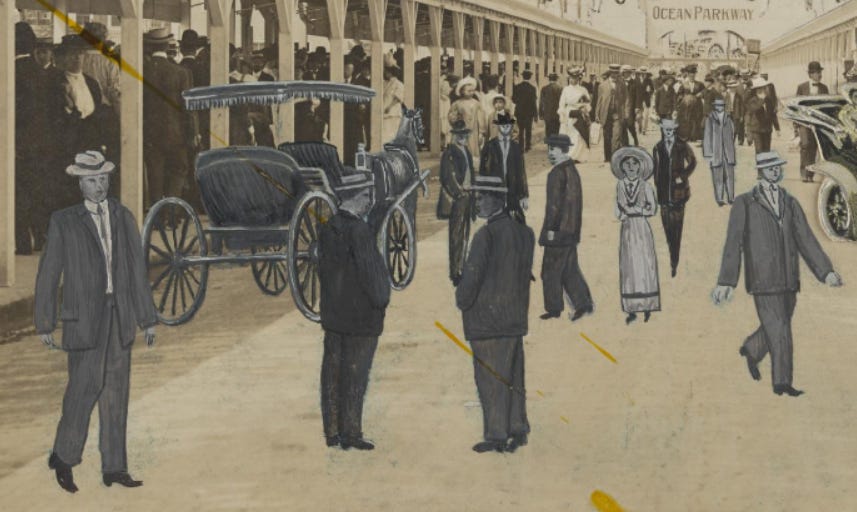
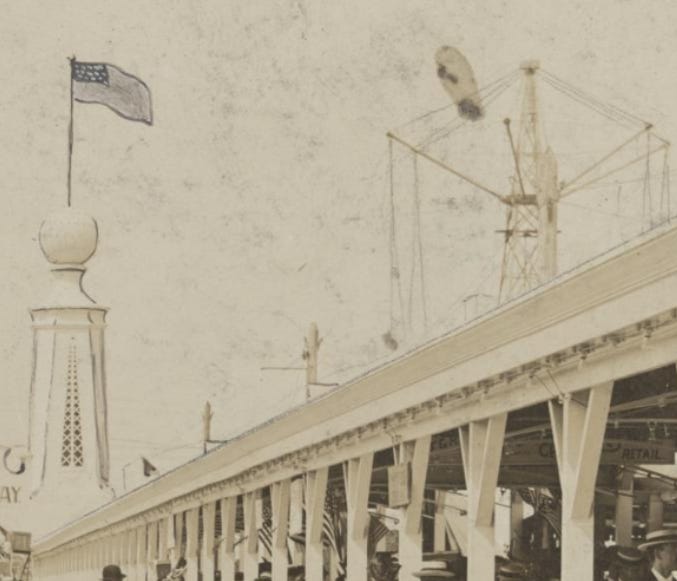
ALSO OCEAN PARKWAY
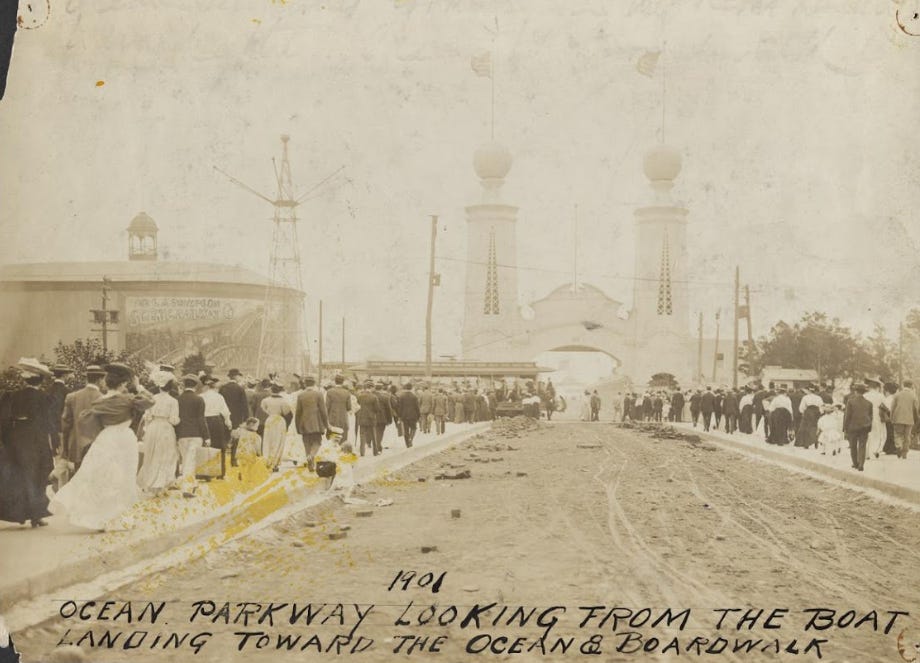
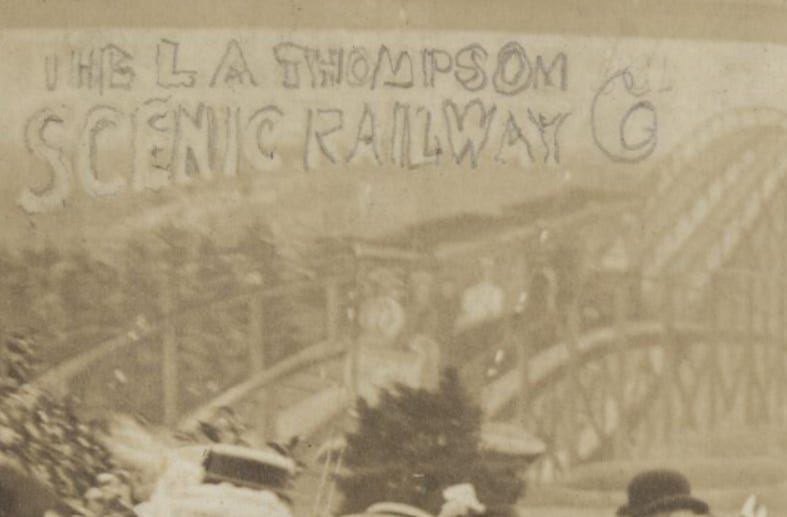
PRESIDENTS, WAR & MORE
Historic photo editing wasn’t just for buildings and firemen. “Stalin manipulated photos to remove his victims”
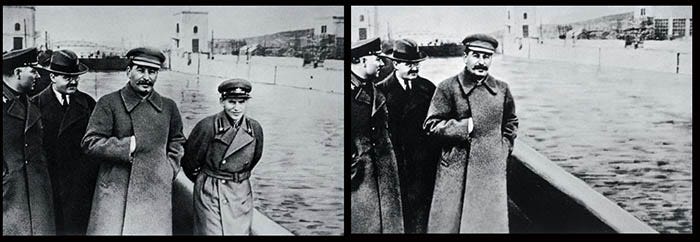
Photos of US Presidents were faked
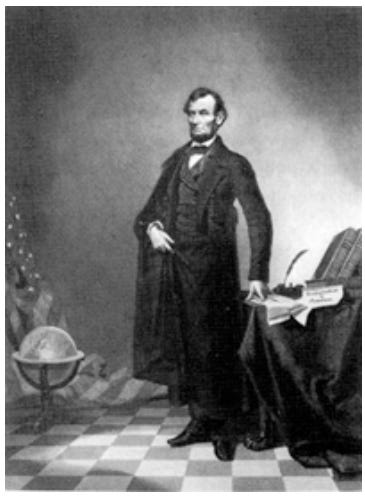
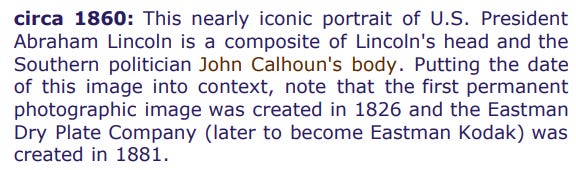
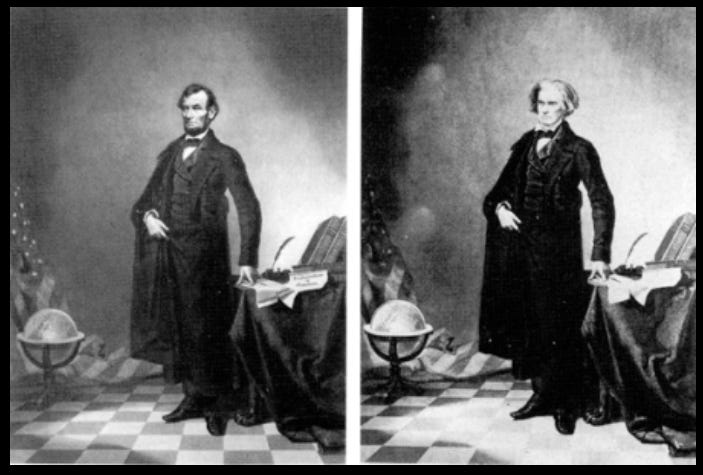
As were photos of war, but the public was never told what they are seeing is art:
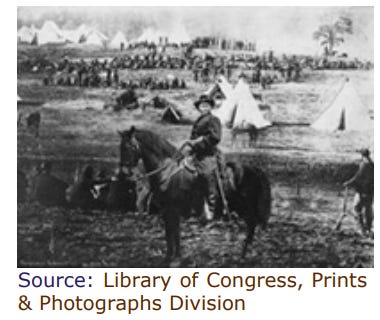
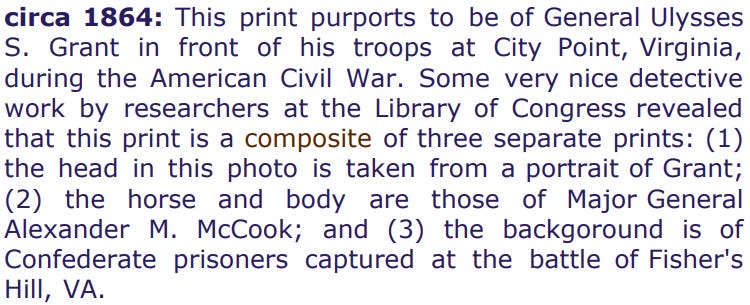
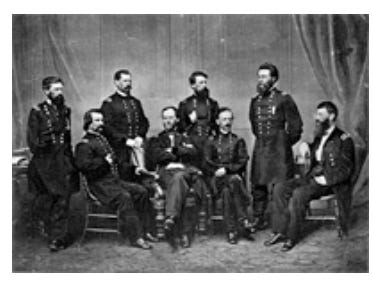
People were added into photos when they were not present

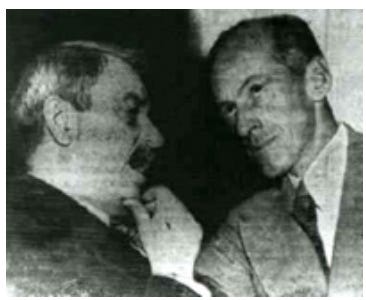
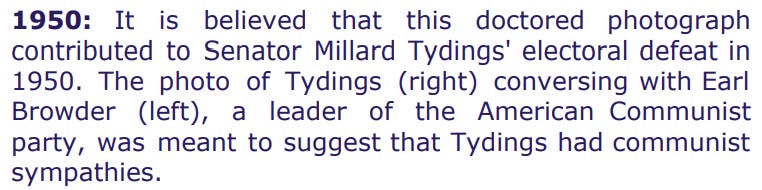
And fake photographs influenced elections:
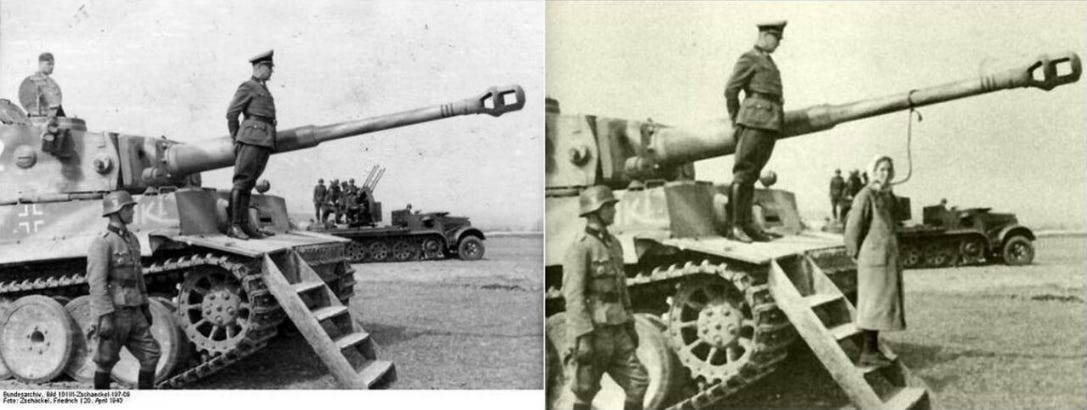
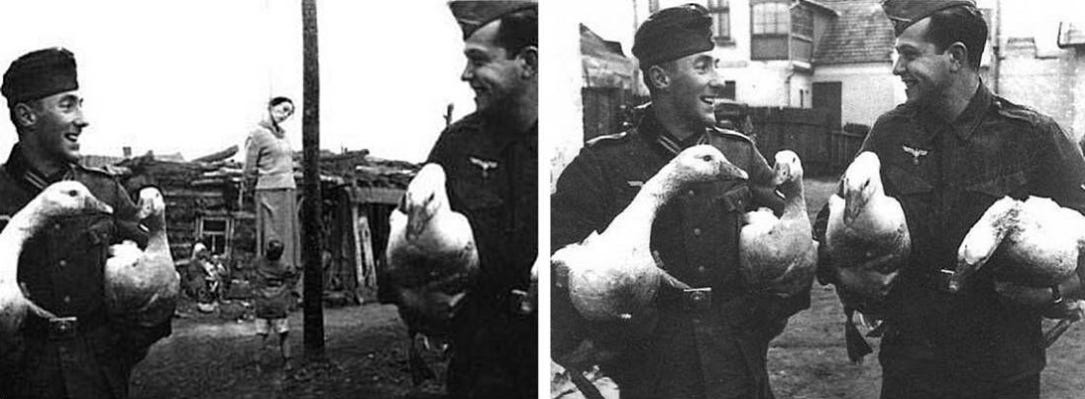
Through digging around the internet for fake history photos, I came across several from the Hitler days. Photo on left is original, right is edited, meaning the woman hanging was not in the original:
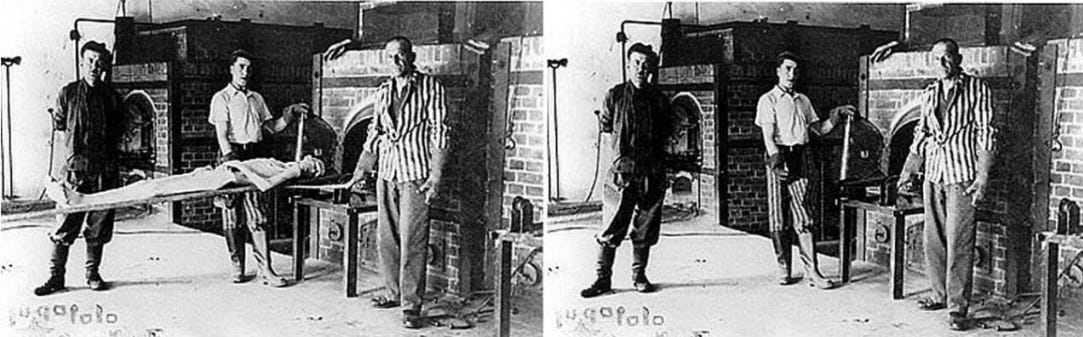
Here’s a perfect example of literal “cut and paste” technique being used to create Concentration Camp photos. Photo on right is the original, left is edited:
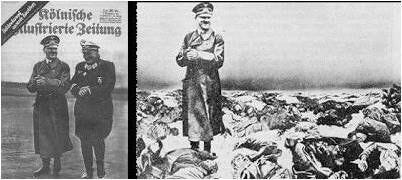
Left is edited, right is real. There was no fourth person in the original photo:
I’m not sure what all of the shapes represent, but the blue square proves this is the same background an the smaller yellow rectangle proves it is also the same grass. The large rock is identical in both images, and that’s enough for me to agree the photo on the bottom was edited:
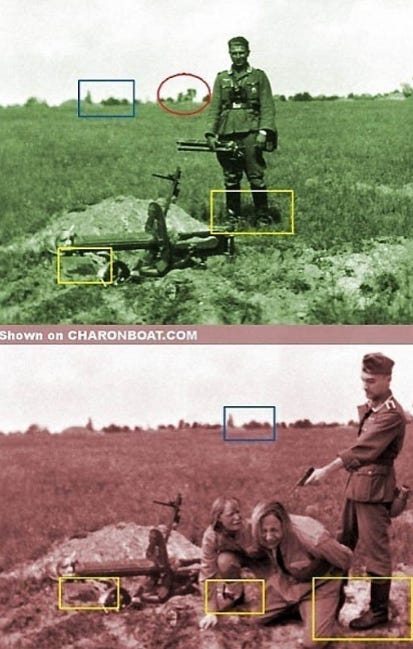
Original is on the bottom. Fake is on the top. This is pretty impressive work:
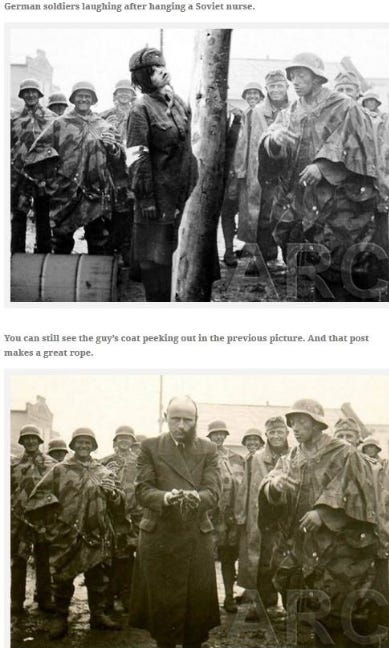
I’m sure you can guess which is fake. Photo has been edited for decency purposes:
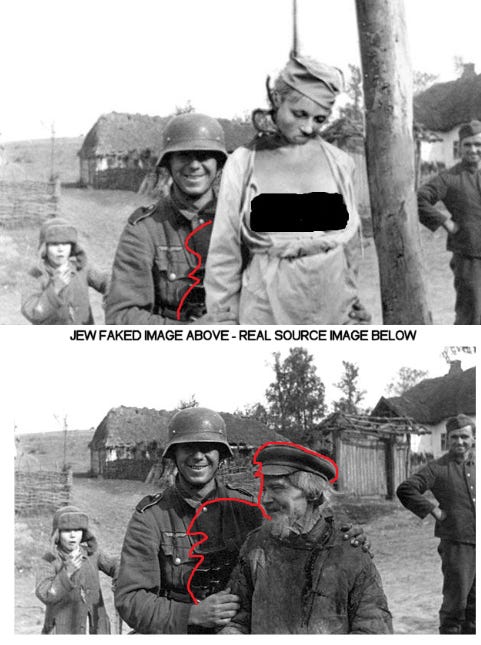
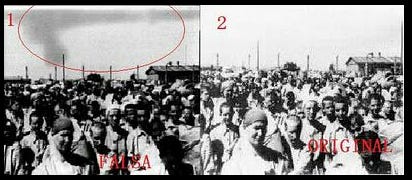
More faked executions":
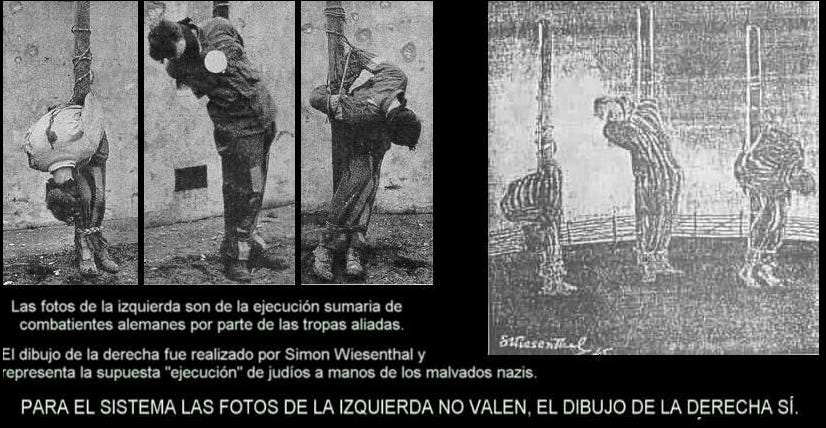
These images are small and there’s nothing I can do to make them larger, but if you’re on a cell phone, they’re 100% worth the time to zoom in:
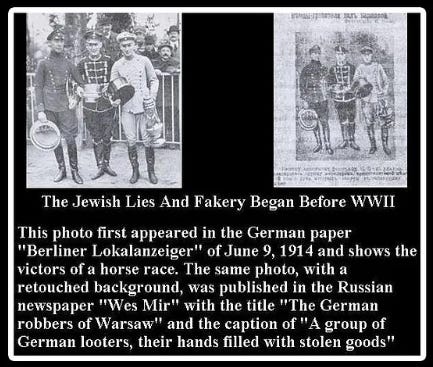
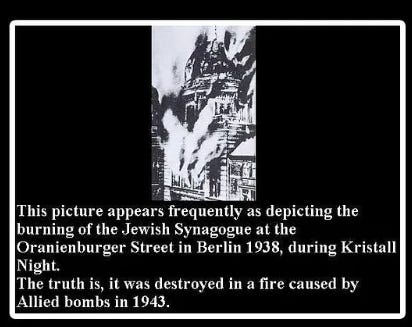
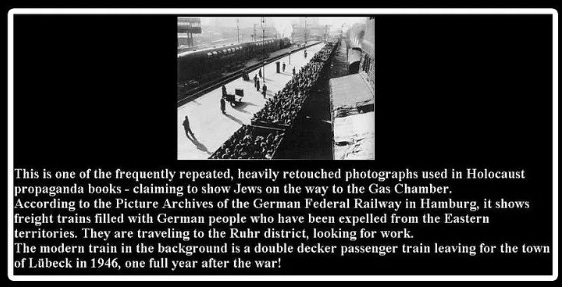
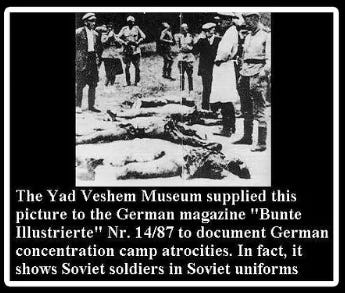
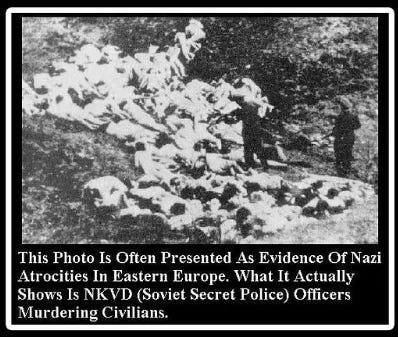
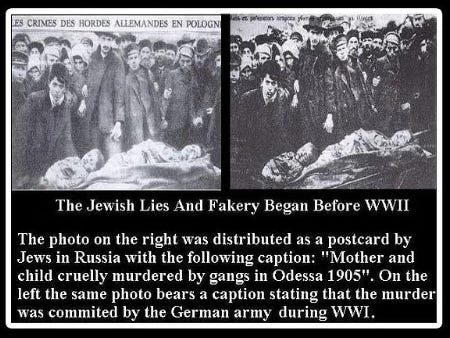
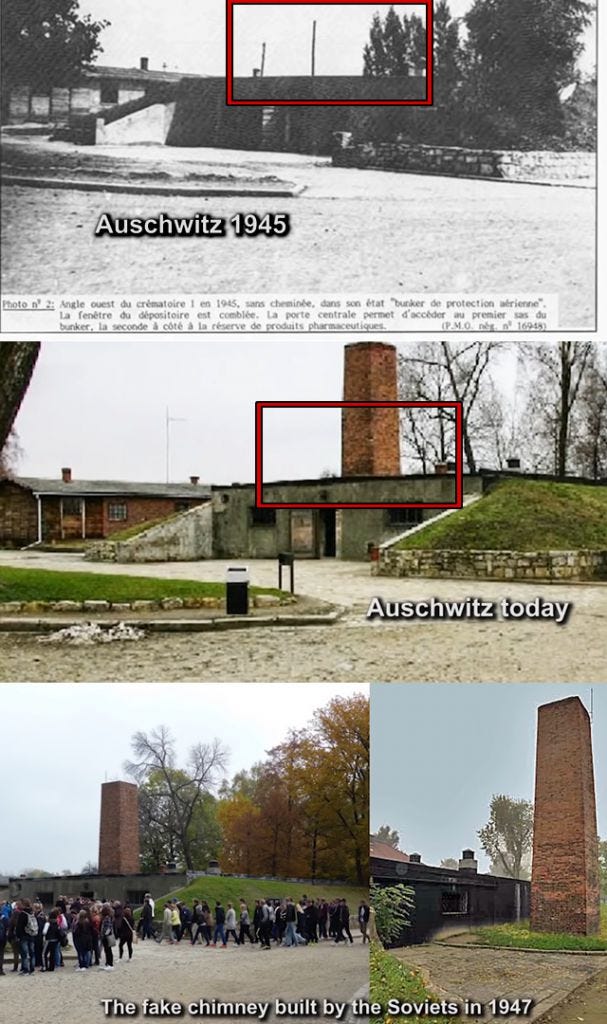
This isnt a fake photo, but it’s interesting. Heres the smoke stack during the war vs the smokestack they built in the 1940s:
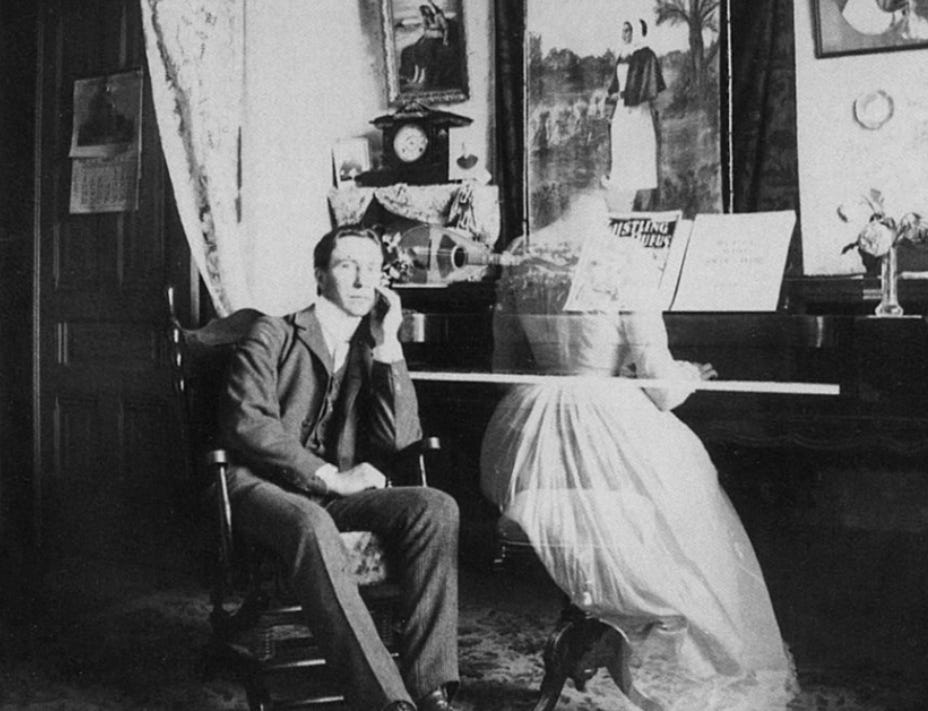
In the 1800s, “Spirit Photography” was used to swindle people into making them believe a lost loved one was communicating with them.
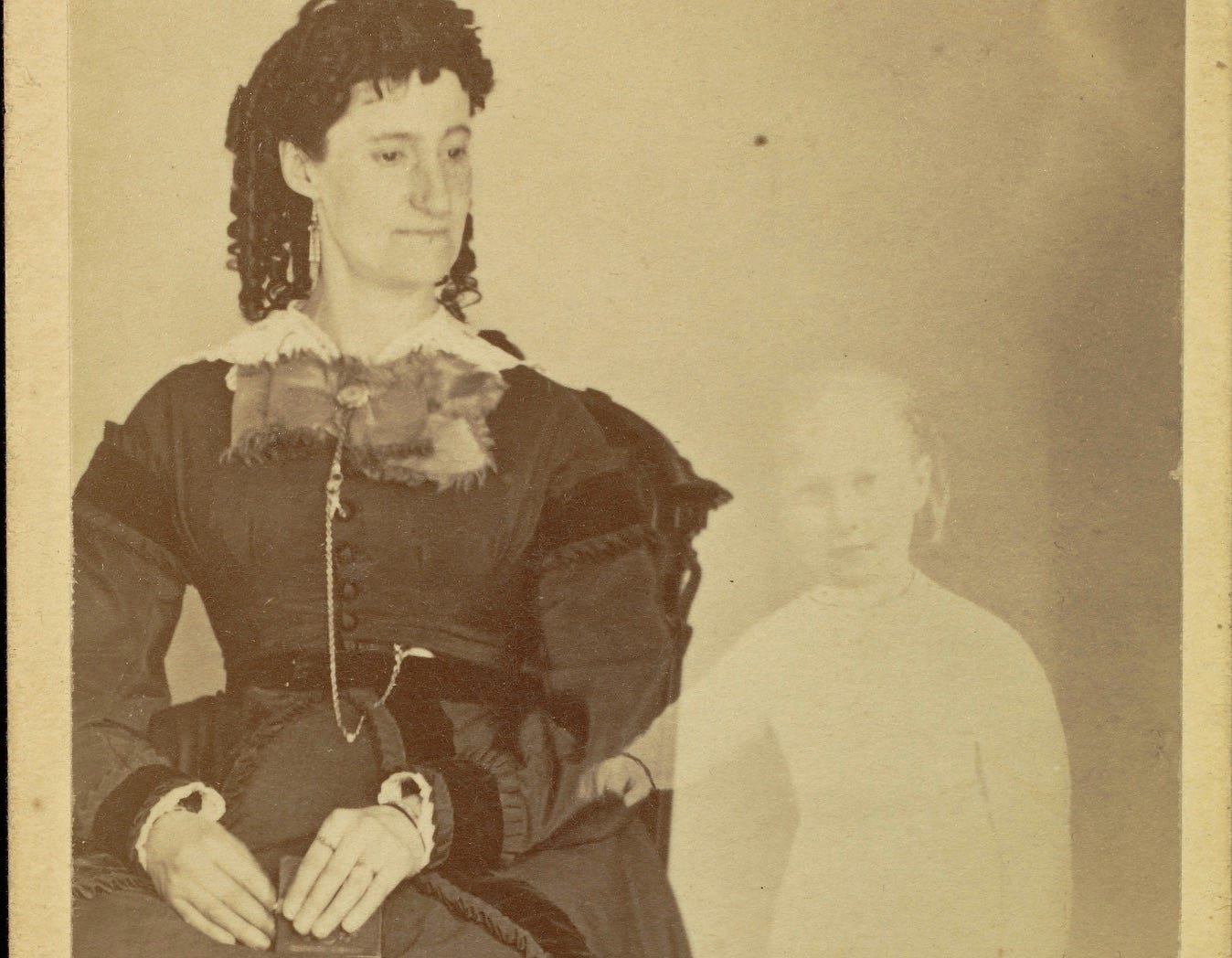
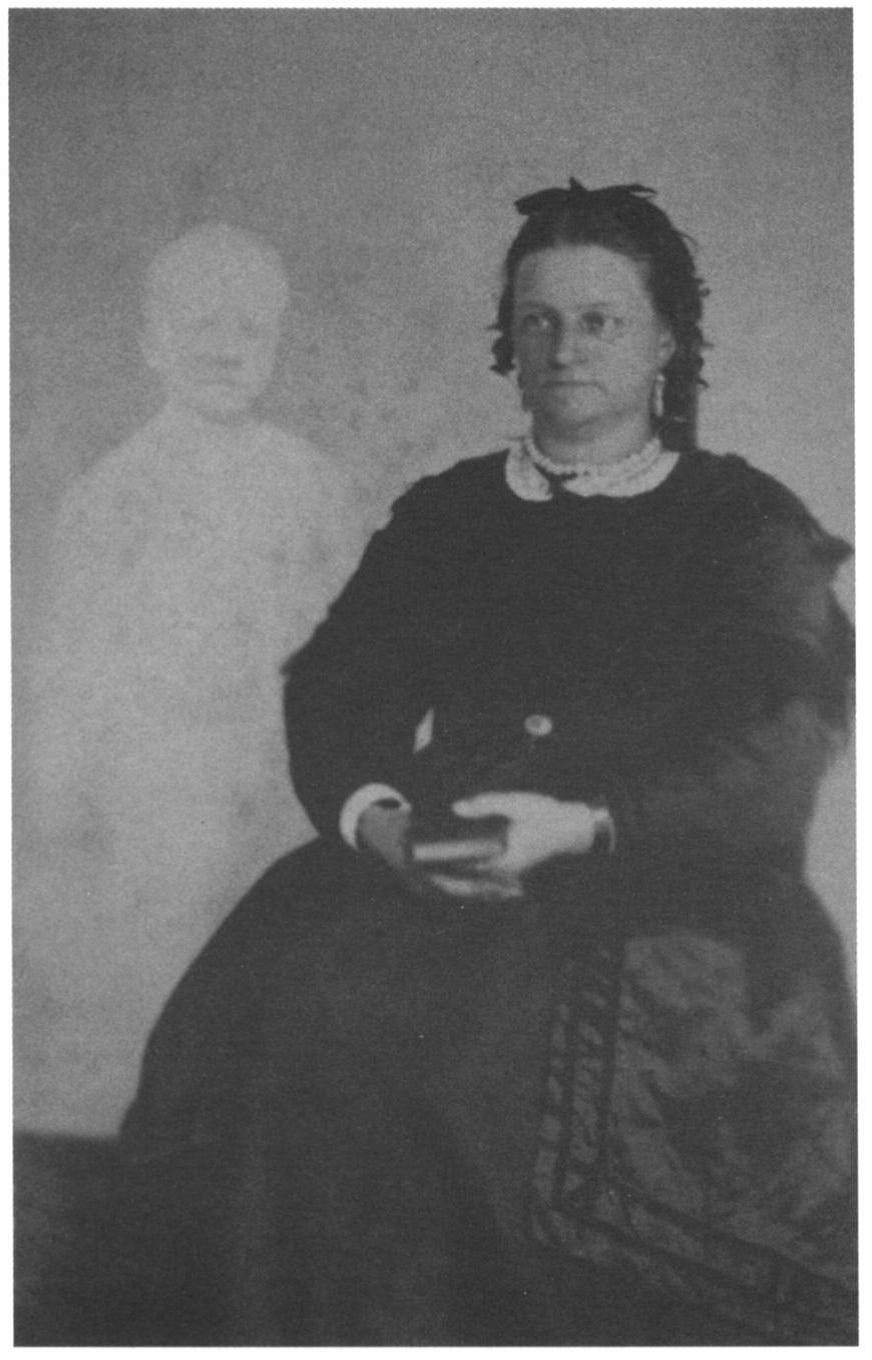
Spirit Photography is just a photo manipulation technique, nothing more:
Even the first tornado photographs were fake! A young man obsessed with tornadoes recently figured this out:
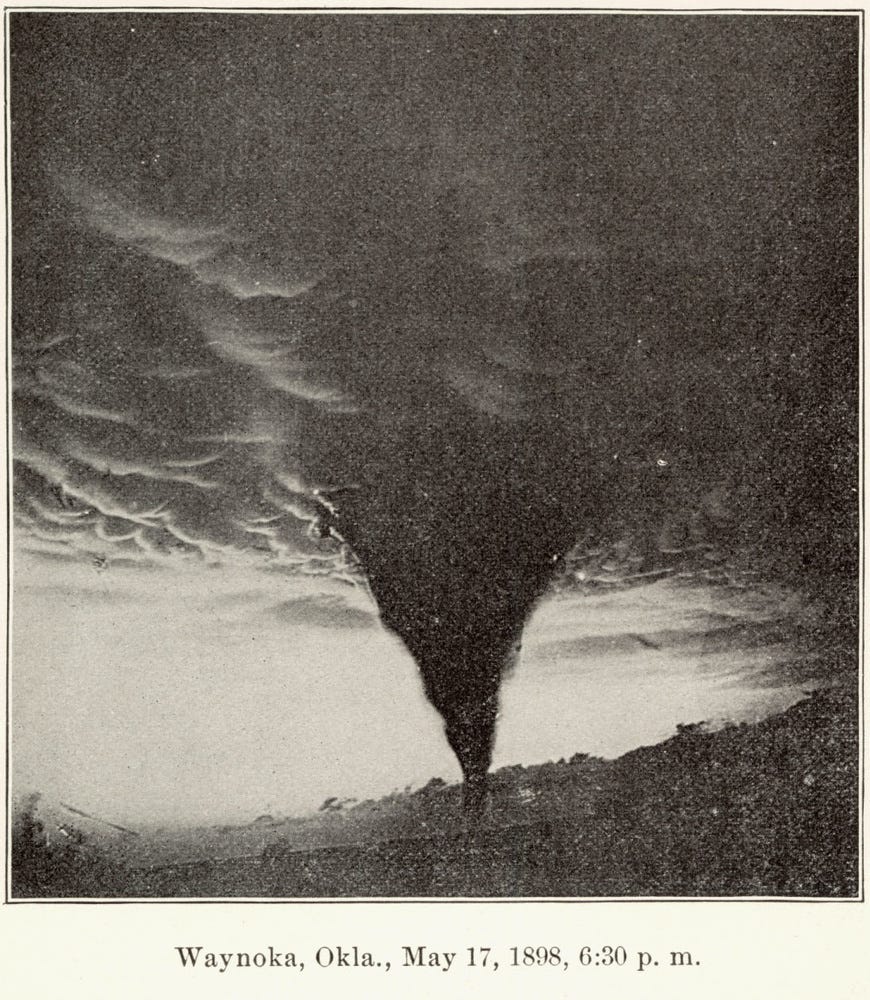
He figured it out when he realized the same fake tornado was being reused in multiple news stories spanning several years. Here’s the same tornado, pasted onto a different photo:
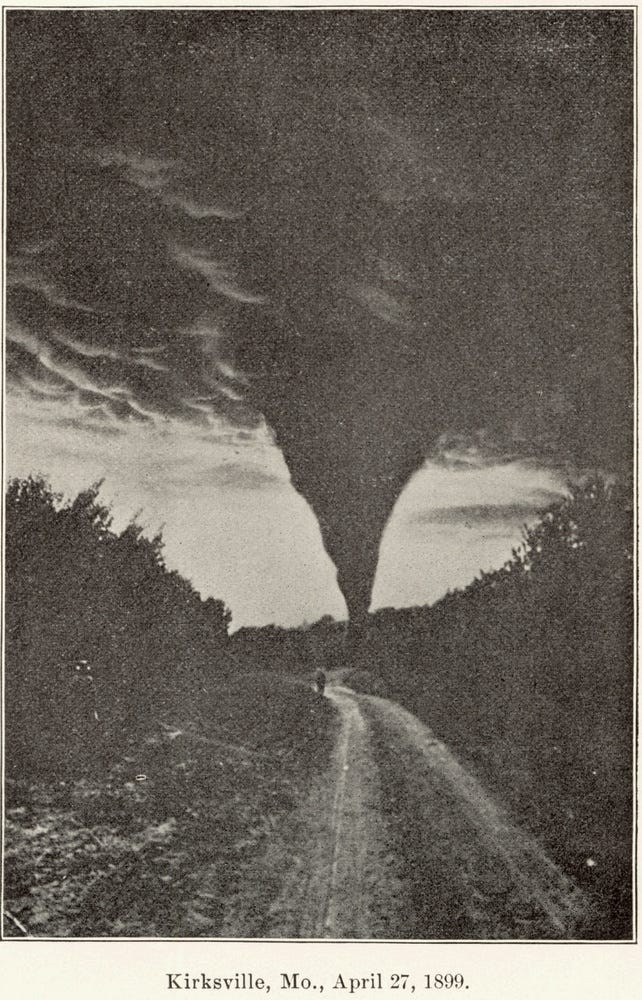
Exceptionally skilled editing!
That was just a handful of examples. Let me know your thoughts; is this just retouching to make the photos as nice as possible? Or is this complete fabrication of history? And if you appreciate the dedication I put into trying to bring you content you haven’t seen elsewhere, please consider buying me a coffee:

NEXT READ


SOURCES, NOTES & OTHER STUFF
Watch Old World Order: https://stewpeters.com/old-world-order-documentary/#gf_12
https://drive.google.com/drive/folders/1S9rxco_0iWvRgNUhkOIsvhKORmeisXTy
Stuffed Beagle: https://www.youtube.com/channel/UCQgOEfYaDdYgXVO4rWeo9qw
Auto didactic Overexposed:
https://www.smithsonianmag.com/arts-culture/hot-air-balloon-travel-for-the-luxury-traveler-of-the-1800s-496002/
https://fstoppers.com/composite/story-one-earliest-composite-controversies-95745
https://www.metmuseum.org/art/collection/search/294822
https://www.wired.com/2012/08/primitive-photoshop-postcards/#:~:text=1908.,and%20retouching%20negatives%20and%20prints
https://www.indexoncensorship.org/2017/08/commissar-vanishes/
https://www.tandfonline.com/doi/abs/10.2752/175145109X12804957025598?journalCode=rfpc20
https://faculty.cc.gatech.edu/~beki/cs4001/history.pdf
https://ethicsinediting.wordpress.com/2009/04/01/photo-manipulation-through-history-a-timeline/
https://nerdist.com/article/photographers-in-early-1900s-used-photo-editing-tricks-like-instagram/
https://archive.org/details/completeselfinst10schr/page/233/mode/1up
https://rarehistoricalphotos.com/history-photo-manipulation-1850-1950/
https://clippingthephotos.com/history-of-photo-manipulation/
https://petapixel.com/2015/08/26/this-is-what-victorian-photoshopped-photos-look-like-up-close/
https://www.messynessychic.com/2016/12/21/before-photoshop-there-was-the-disturbing-art-of-spirit-photography/
https://www.smithsonianmag.com/smithsonian-institution/meet-mr-mumler-man-who-captured-lincolns-ghost-camera-180965090/
OTHER STUFF
https://www.decision-making-confidence.com/mind-control.html
https://www.independent.co.uk/voices/hollywood-cia-washington-dc-films-fbi-24-intervening-close-relationship-a7918191.html
https://historicdetroit.org/galleries/old-wayne-county-building-photos
https://www.huffpost.com/entry/detroit-the-ruins-of-an-e_b_810688


To establish my cred to comment on this article, I'll note that I sold my first commercial photo sixty (60) years ago. I have many years' experience in wet darkroom work and in the stripping department (yes, that's what the negative prep area is called) in a lithography shop. I'm a collector of historical images and of "real photo" and hand-tinted postcards from 1890 thru about 1920. Some things to consider:
1) Retouching was done during the "pictorial" era in photography to make an image more presentable and saleable - that applies especially to postcards. (The practice continued into the 1960s, where many postcards of different geographic locations all have exactly the same blue sky and fluffy clouds: https://youtu.be/MgpQXz34bqs )
2) Outline-type retouching was done for news photos to compensate for the relatively low contrast of 1920s-50s printed photos on soft newsprint. The retoucher would add a bold line around parts of the subject that needed to be highlighted and clearly separated from the background.
3) Retouching negatives made by portrait photographers was done to enhance the beauty / glamour of the subject -- identical to the Photoshop macros today that enhance eye makeup and cheekbones. This was done to satisfy the vanity of the person photographed and the buyer of the photo.
4) Retouching was a high-dollar, high-skilled subtrade within commercial photography. Anyone with the patience and steady hands to work on negatives over a light table all day, often earned more than the other folks in the darkroom.
5) Lithography strippers retouch negatives after they've been put in place on the carrier sheet, which is then contact-printed on a photosensitized metal plate, then developed and fixed, then mounted on the printing press. This retouching is done to remove scratches, dots, and any other marks that do not belong in the finished photo.
My point is that not all retouching has deception as its goal. Much of it was designed to enhance the pictorial and sharpness qualities of an image, and to satisfy the demands of the image buyer.
The pictures are definitley all faked for whatever nefarious purposes. I have seen a documenatry about the photographs from WW2 a few years back. The ones you showed were also part of it. That was clearly to paint normal men to be horrible monsters and so to justify a genocide on the german people and all that followed. The war had absolutely nothing to do with justice or the jews or bringing democracy to Europe. I will not say anymore, because there is transatlantian dictated laws in my country to prevent me from doubting the narrative.
But my conclusion is, if they faked those for propaganda purposes and "no man, no problem"-Stalin did as well, why should the rest of them just be made to look nicer? It makes no sense to take a picture and then totally alter it. There are things, we should not see and there are things that we are supposed to think are there, when they weren't. People for instance..... Imakes me think of tartaria and the mud flood.